

A single afternoon on the water can end in a jail cell if marine officers suspect impairment. Florida treats these charges with the same legal weight as driving a car while drunk. If you or a loved one are facing BUI charges, contact the experienced defense attorneys at Galanter Law, P.A. immediately at (305) 576-0244 for a free and confidential consultation.
Boating under the influence florida is a serious crime defined as driving a vessel while under the influence of alcohol, chemical substances, or other controlled substances. Officers can arrest you for being unsafe on the water even if your blood-alcohol level is below the legal limit because impairment is the main factor. According to Florida law, a first conviction can lead to six months in jail, fines up to $1,000, and the loss of your boat. A conviction will stay on your record forever and count as a past crime for future DUI charges, though it does not usually affect your license. Marine officers can board your boat for safety checks without a clear reason, giving them the power to search for signs of alcohol use during stops.
You must understand the specific rules that govern local waters to protect your rights after an arrest. To build a strong defense, you must first learn the facts about what BUI means in Florida, beginning with how the state defines the offense.
What is Boating Under the Influence (BUI) in Florida?
Florida law defines boating under the influence (BUI) as steering a boat while drunk or high on drugs. Under Florida Statute 327.35, you can face a BUI charge if you lack full control of your mind or body. This law applies to anyone in charge of a boat on state waters. Whether you use a motorboat, a jet ski, or even a rowboat, you must follow these rules to stay safe and legal.
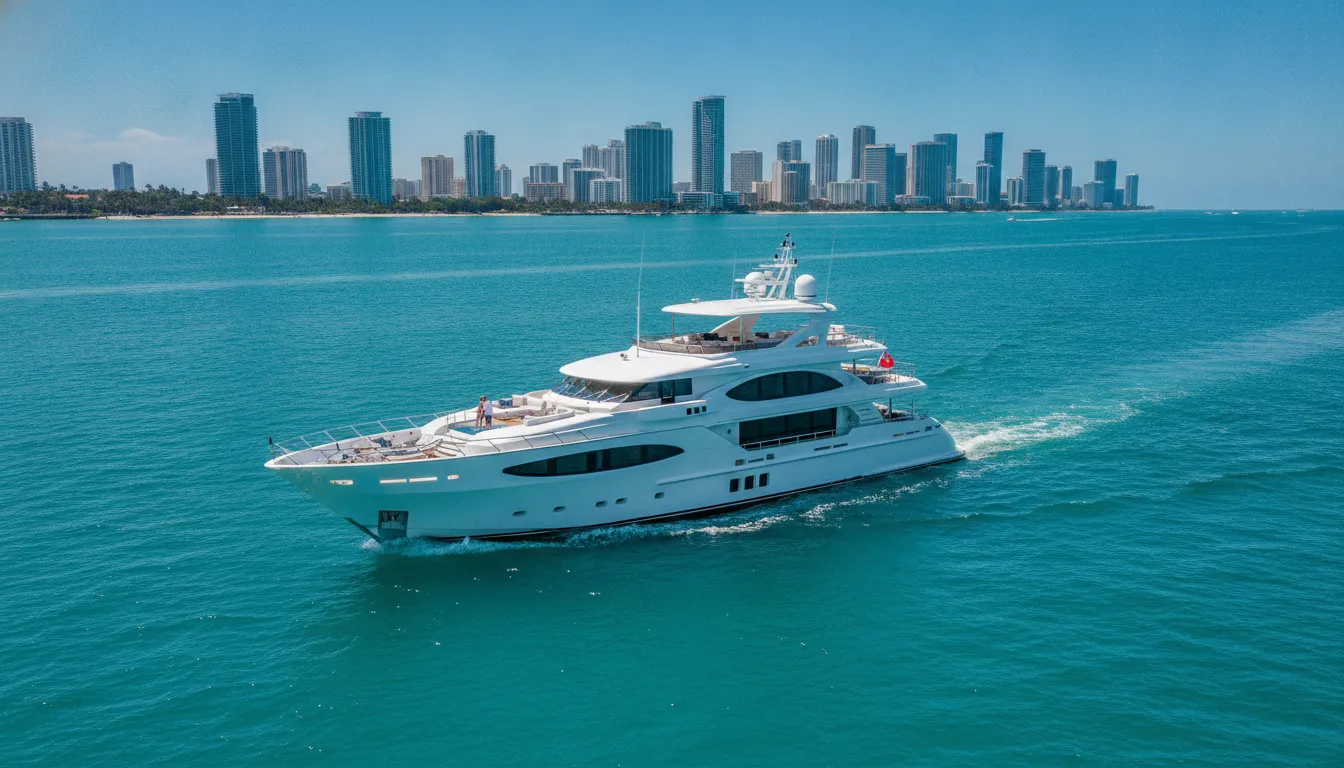
The legal meaning of BUI
In Florida, a BUI is a crime that happens when a boater is under the influence of alcohol or drugs. The state looks at whether these things have hurt your normal skills to a point where you cannot safely guide the craft. This covers more than just being drunk. It also includes the use of illegal drugs or meds that slow your reaction time. Because Florida has so many boating tickets every year, the police watch for these signs on the water.
How BAC limits work in Florida
The state uses blood-alcohol levels (BAC) to measure how drunk a person is. For adults, the legal limit for boating under the influence florida is 0.08%. If your BAC is at or above this mark, the law thinks you are too drunk to steer a boat. For boaters under the age of 21, the rules are even tighter. Florida has a zero-tolerance plan that sets a limit of 0.02% for minors. Even one drink can put a young person over this low mark and lead to big legal trouble.
BUI vs. DUI: Key differences
While BUI and DUI share many traits, there are big shifts in how the police handle them. On the road, a cop needs a reason to pull you over, like a broken light or speeding. On the water, the Florida Fish and Wildlife Conservation Commission (FWC) can stop and board your boat for a safety check at any time. They do not need a special reason to see if you have life vests or other gear. Also, a BUI ruling usually does not take away your car license like a DUI would, but it still stays on your record.
Facing these charges is a grave matter that needs a fast response. The team at Galanter Law, P.A. offers 24/7 help for those facing a BUI or Florida DUI defense. Our firm uses its deep skill in local courts to protect your rights and your future. If you are in Miami-Dade, Broward, or Palm Beach, you can reach out for a free talk about your case.
Severe Penalties for a Florida BUI Conviction
Florida leads the nation with more than one million registered boats. Because of this, the state puts a high focus on water safety and law enforcement. A charge for boating under the influence florida is a serious legal matter that can change your life forever. If the state finds you guilty, you could face steep fines, probation, and time in jail. These cases move fast, and you need a defense that is just as quick. Yale Galanter uses his experience as a former prosecutor to build strong cases for his clients.
Costs of a first conviction
A first-time BUI in Florida is often charged as a misdemeanor, but the consequences are far from minor. Under Florida Statute 327.35, a judge can order severe penalties, including:
- Fines: A minimum fine of $500, which can increase up to $1,000.
- Jail Time: Up to six months in jail.
- Probation: Up to one year of probation.
- Community Service: A mandatory requirement of 50 hours of community service.
- Vessel Impoundment: The court may impound or seize your boat for 10 days.
Many people worry that a BUI will take away their right to drive a car. A BUI conviction does not by itself suspend your land-based driver license. But it is important to know that it stays on your record. If you are ever arrested for a DUI in the future, the court will count the BUI as a prior offense. This can lead to much harsher Florida DUI penalties later on. Getting ahead of the charge now is the best way to protect your future.
Penalties for repeat offenses
The law becomes much harsher if you face a second or third charge. These penalties escalate as follows:
- Second Conviction: Fines range from $1,000 to $2,000, and you can face up to nine months in jail. If the second arrest occurs within five years of a prior conviction, there is a mandatory jail sentence of at least 10 days.
- Third Conviction: A third BUI within ten years of a prior conviction is a third-degree felony. This can result in a fine of up to $5,000 and up to five years in Florida state prison.
| Offense Level | Fine Range | Maximum Jail Time | Other Penalties |
|---|---|---|---|
| First Offense | $500 – $1,000 | 6 Months | 50 Hours Service |
| Second Offense | $1,000 – $2,000 | 9 Months | Mandatory Probation |
| Third Offense | $2,000 – $5,000 | 5 Years | Felony Record |
Protecting your record and rights
A BUI arrest does not have to lead to a conviction. There are many ways to challenge the evidence that the state brings against you. For example, law enforcement often uses field sobriety tests that are not reliable on the water. The motion of the waves, the glare of the sun, and heat can all make a sober person appear impaired. These stressors on the water play a big role in BUI cases. A skilled lawyer can use these facts to question the officer’s report and seek a better outcome for you.
You should also know that marine officers can stop your boat for a routine safety check without a specific reason. This is different from a car stop, where an officer needs a reason to pull you over. But your rights still exist during these stops. If you are facing a boating under the influence florida charge, you should not wait to act. The team at Galanter Law is available 24/7 to help you work through this crisis and fight for your name.
Key Differences Between a Marine BUI and a Roadside DUI
Boating under the influence (BUI) and driving under the influence (DUI) share many traits. Both involve using a vehicle while impaired by alcohol or drugs. In Florida, the legal limit for both is 0.08% blood alcohol level. But the law treats these two crimes in very different ways once you leave the road for the water.
No probable cause for stops
When you drive a car, a police officer needs a valid reason to pull you over. They must see you break a traffic law or show signs of poor driving. This is called probable cause. On the water, the rules for the Florida Fish and Wildlife Conservation Commission (FWC) are much broader. Officers can stop and board your boat for routine safety checks at any time.
This means you do not have to commit a crime to be stopped. Based on Florida Statute 327.35, officers have the power to board your vessel for safety checks. They can look for life jackets or fire extinguishers without any proof of a crime. During these checks, they often look for signs of alcohol use. If they suspect you are drunk, a simple safety check can quickly turn into a criminal arrest.
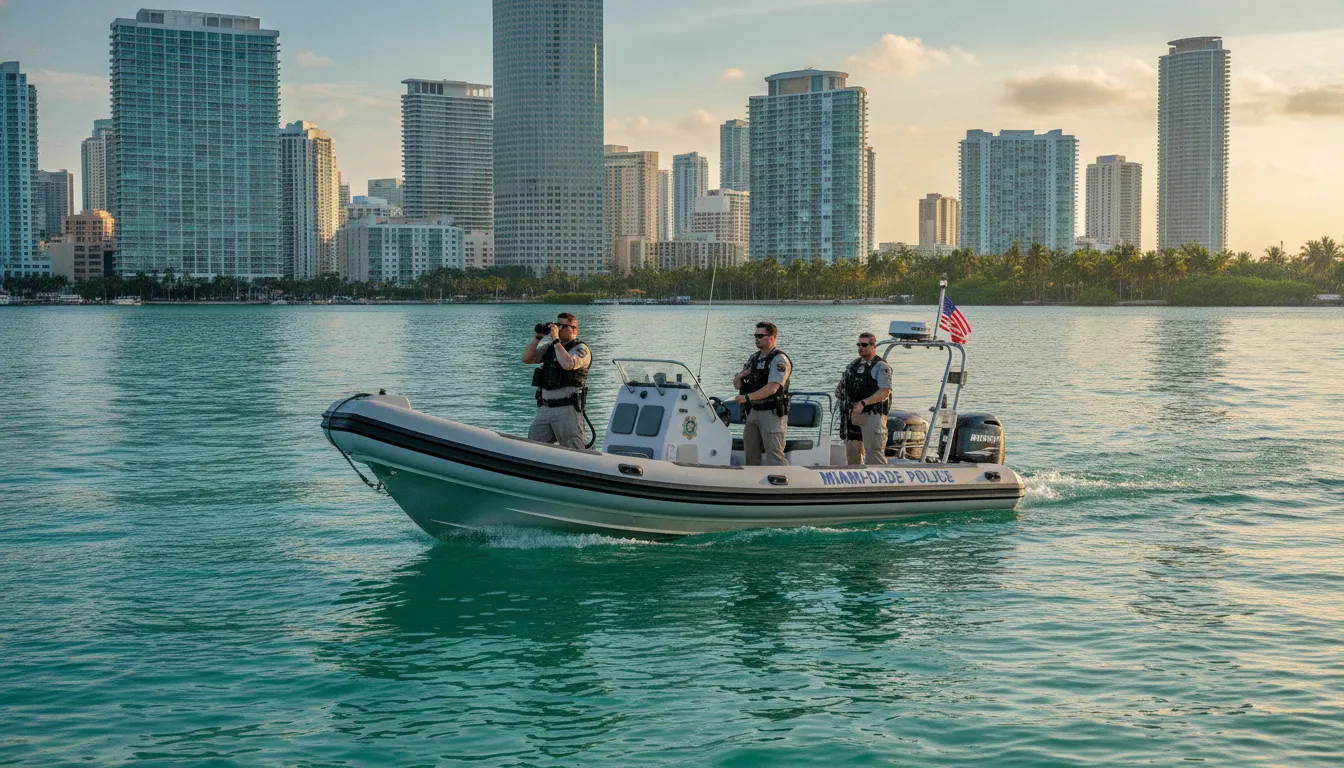
You should also know about implied consent rules. By operating a boat on Florida waters, you agree to take certain tests if you are lawfully arrested. This includes breath, blood, or urine tests to check for drugs or alcohol. Refusing these tests can lead to more legal trouble, even if you were not over the limit at the time of the stop.
Issues with sobriety tests
Roadside sobriety tests rely on your balance and focus. These tests are hard to do on land but are even less solid on a boat. Moving waves, wind, and vibrating decks make it hard for anyone to stand straight. These environmental stressors can make a sober person appear drunk to an officer who is not careful.
The sun and glare from the water also cause physical fatigue and eye strain. These factors can mimic the signs of drug or alcohol use. Dehydration from a long day in the heat can also slow your reactions. A skilled lawyer can use these facts to challenge the results of any field tests done on a moving vessel or a dock.
Most field tests used on boats are not the same as those used on the road. Officers may use seated sobriety tests to avoid the issue of moving waves. But these tests are still prone to errors and can be wrongly graded. Your defense can look at how these tests were done to see if the officer followed the right steps.
Land-based license effects
A common question is how a boat arrest affects your car driver’s license. If you get a DUI in a car, your license is usually taken away right then. A BUI conviction in Florida works differently. It does not lead to a fast loss of your land-based driver’s license. You can usually still drive your car after a boat-related arrest.
But there is a catch you should know. A BUI still goes on your criminal record. If you are later caught driving a car while drunk, the BUI counts as a prior offense. This can lead to much harsher penalties for any future arrests. It is vital to protect your record from the start by hiring a strong Miami criminal defense attorney.
Florida’s Implied Consent and Breath Test Refusal Consequences
If you operate a boat on Florida waters, you have already given your consent to certain alcohol tests. This rule is part of Florida’s implied consent law. It means that if an officer arrests you for boating under the influence, you must agree to a test of your breath, blood, or urine. This helps the state check for drugs or alcohol in your system.
Refusing a breath test
You may think that saying no to a breath test will help your case. But in Florida, a first refusal carries a $500 civil fine. You must pay this fine to the state even if you are not found guilty of a crime. This penalty is in addition to any other fines or jail time you might face from the initial stop. Law enforcement takes these rules seriously to keep the waters safe for the millions of boats in the state.
When you refuse a test, the state can use that choice against you in court. A jury may hear that you chose not to take the test. They might view this as a sign that you knew you were over the legal limit. This can make defending your case much harder for your legal team. If you are facing a charge, it is best to speak with a Florida traffic ticket and offense lawyer who can look at the facts of your stop.
Repeat refusal penalties
The stakes get higher if you have refused a test before. Under Florida Statute 327.35, a second or subsequent refusal is a first-degree misdemeanor. This means you could face criminal charges just for saying no to the test. A conviction for this crime can lead to up to one year in jail and a $1,000 fine. This is separate from the penalties for the BUI charge itself.
A repeat refusal creates a permanent criminal record. This can affect your job, your reputation, and your future. Unlike a first refusal which is a civil matter, a second refusal is a serious crime. If you are caught in this spot, you need immediate help to protect your rights. Our team is ready to help you navigate these complex laws and find the best path forward for your defense.
Powerful Defense Strategies to Fight a BUI Charge
A boating under the influence arrest can feel like an open and shut case. But marine stops are complex and often have many procedural errors. Our experienced team can use strong defense strategies to protect your rights and fight these charges. You can build a solid plan to challenge the state’s case by looking at the small details of your arrest.
Challenging the Law Enforcement Stop
We will first inspect the exact reason why the officer stopped your boat. If they did not follow the proper rules, the court may throw out the evidence they found.
- Challenge the legal stop grounds: We look closely at why the marine officer chose to stop and board your vessel. While officers can do basic safety checks without a big reason, they must still follow clear state rules. Challenging these stops is a key part of our defense plan at Galanter Law, P.A..
- Expose the effects of water conditions: Wind, waves, and moving boat decks make standard physical tests very hard to pass. We argue that water motion makes field sobriety exercises on a vessel highly unreliable.
- Expose environmental stressors: Sun, wind, and water glare can cause fatigue and mimic the physical signs of alcohol use. According to guidelines from the Florida Senate, these natural factors can make sober boaters look impaired.
- Challenge breath test accuracy: Breath testing machines need constant care and correct use to work well. We check if the machine was set up and used the right way by the officers.
- Expose delays in testing: A long wait between your stop on the water and your actual breath test at the station can change your blood-alcohol level. We use this delay to show that the final reading does not match your state when you were driving.
Guiding Your Case to Success
Do not face these serious charges without a strong legal team by your side. We know how the state builds BUI cases, and we know how to find the weak spots in their evidence. Contact us today to start building your defense.
Arrested for boating under the influence in Florida? Galanter Law can review the stop, testing process, and evidence against you. Contact our Florida DUI defense team today or call (305) 576-0244 for a confidential consultation.
Frequently Asked Questions
Is boating under the influence in Florida treated the same as a DUI?
Yes, Florida law treats boating under the influence with the same legal weight as a roadside DUI. Both charges are criminal offenses that can lead to jail time, probation, and mandatory community service. However, a boating conviction does not automatically suspend your land-based driver’s license. To learn more about how these charges compare, you can read our guide on Florida DUI penalties.
What is the legal limit for boating under the influence in Florida?
For adults, the legal blood-alcohol limit is 0.08 percent while operating any vessel. Under Florida Statute 327.35, you are legally impaired if your blood or breath level meets or exceeds this threshold. For boaters under 21 years of age, Florida enforces a zero tolerance policy, making it illegal to operate a boat with a blood-alcohol level of 0.02 percent or higher.
Can I be arrested for BUI in Florida if I am under the .08 limit?
Yes, you can still be arrested and charged even if your blood-alcohol level is under the 0.08 percent limit. The state can prosecute you if officers determine that alcohol or drugs have impaired your normal faculties. Marine officers use your speech, balance, and boat handling to judge impairment. If you are facing charges, contact an experienced Florida DUI defense lawyer to protect your rights.
What happens if I refuse a breath test on the water in Florida?
Refusing to submit to a breath, blood, or urine test after a BUI arrest leads to an automatic civil penalty of $500. Under Florida law, this refusal can also be used as evidence against you in a criminal court. If you refuse a test a second time, you can face an extra misdemeanor charge and potential jail time.
Ready to fight your Florida BUI charges?
A BUI arrest is a major event that can hurt your life for a long time. If you do not act fast, you may face high fines, stay in jail, and lose your right to drive. Every day you wait is a day that the state uses to build a case against you. The court moves fast and the law is very hard on boaters, so you need to start your defense now. Our team knows how to fight Florida BUI charges to help you get a fair outcome. We work at all hours to give you a good chance to win your case and keep your record clean. Do not let one mistake on the water take away your whole future.
Ready to protect your rights? Call (305) 576-0244 to schedule a free consultation with a lawyer today.
