

A burglary arrest in Florida can put your freedom and your future at risk. Under Florida Statute 810.02, the state divides this crime into three degrees, each carrying different penalties based on specific factors like whether a weapon was involved, whether someone was inside, and how much damage occurred. A conviction can mean anything from five years in prison to a life sentence.
Call (305) 576-0244 now to speak with a Miami criminal defense lawyer about your case.
The burglary Florida statute defines this crime as entering or staying in a building or vehicle with the intent to commit an offense. All burglary charges in Florida are felonies. First-degree involves assault, a weapon, or major damage (life felony). Second-degree involves entering a home or drug theft (up to 15 years). Third-degree covers unarmed entry of unoccupied buildings or vehicles (up to 5 years).
What Is Burglary Under Florida Statute 810.02?
Burglary in Florida involves more than breaking and entering. Under Florida Statute 810.02, burglary means entering or staying in a place without permission while intending to commit a crime inside. You do not have to steal anything or break any locks to face this charge. Simply walking through an open door with criminal intent is enough under the law.
The state must prove three elements to convict you:
- Entry or remaining — you entered a building, vehicle, or structure, or stayed after your right to be there ended
- Lack of consent — you had no legal right or permission to be inside at that time
- Criminal intent — you planned to commit a crime once inside, even if you did not complete it
This intent element is central to any burglary Florida statute case. The state must prove your state of mind at the moment you crossed the threshold. If you entered by mistake, during a medical emergency, or with no dishonest purpose, a strong defense can defeat this element. For a full overview of these rules, read our Florida burglary laws overview.
Dwellings, Structures, and Conveyances
The law applies to three types of places. A dwelling is where people live, such as a house, apartment, or mobile home, plus the enclosed yard around it. A structure is a building with a roof, like a store, office, or warehouse. A conveyance includes cars, boats, trailers, and aircraft. Burglary of a home carries the harshest penalties because the law treats home invasion as a direct threat to personal safety and privacy, regardless of whether anyone was home at the time.
First-Degree Burglary: Life Felony
First-degree burglary is the most serious form of this crime in Florida. Under Florida Statute 810.02(2), this is classified as a life felony with penalties up to life in prison and a $10,000 fine. The charge applies only when specific aggravating factors raise the crime above a standard burglary.
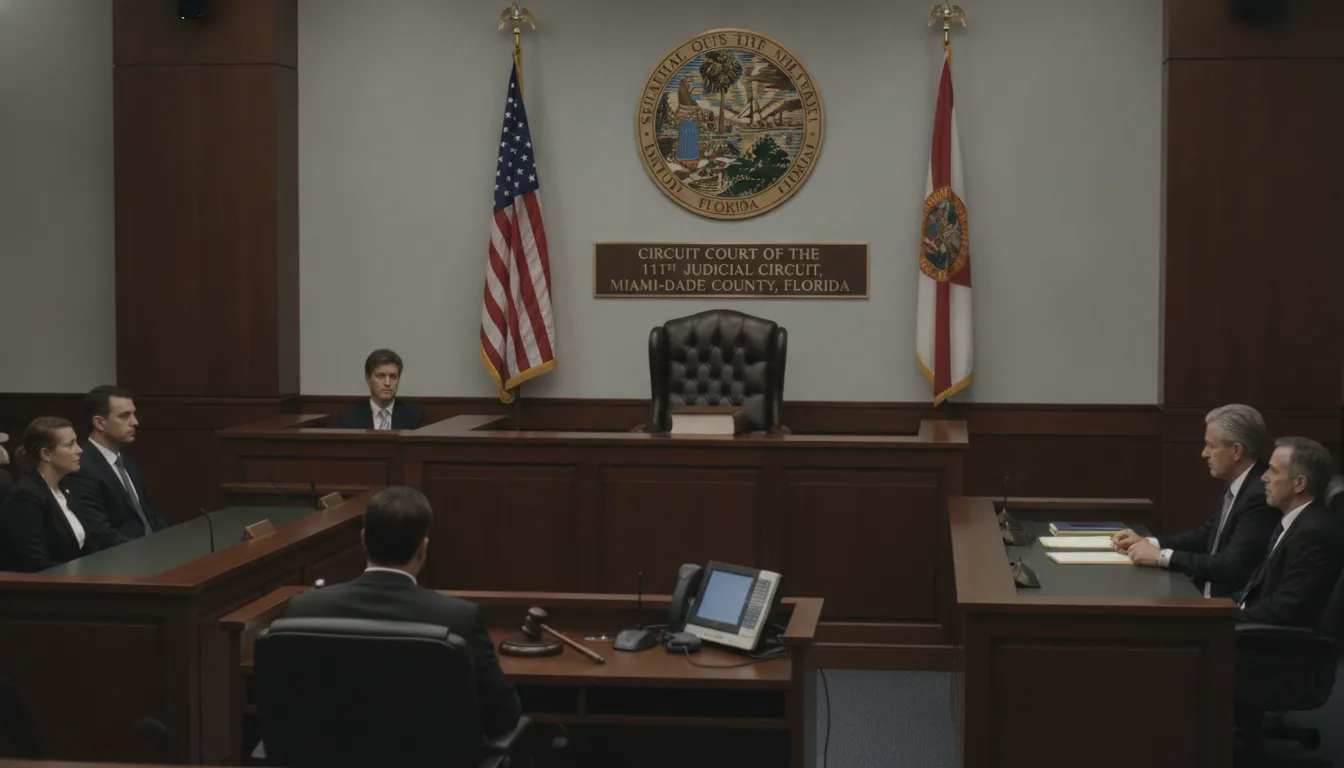
Three scenarios trigger a first-degree charge:
- Assault or battery committed during the burglary, even a minor physical contact
- Armed with a dangerous weapon or explosive device at any point during the entry or stay inside
- Property damage over $1,000 or use of a vehicle to cause damage during the crime
A weapon does not need to be used, displayed, or brandished. Simply carrying a knife or firearm during a burglary elevates it to first degree. Even tools used to pry open a door can qualify as dangerous weapons if the prosecution proves you carried them to threaten others. Building a felony charge defense in these cases requires a careful examination of whether the state can prove each aggravating factor beyond a reasonable doubt and whether the alleged weapon meets the legal definition under Florida case law.
Second-Degree Burglary: Entering a Dwelling or Stealing Drugs
Second-degree burglary under Florida Statute 810.02(3) is a first-degree felony carrying up to 15 years in prison and a $10,000 fine. This degree applies when no assault, weapon, or major damage occurred, but the circumstances still merit a serious penalty.
Three situations lead to this charge:
- Occupied dwelling — entering a home where someone is present, even without force or violence
- Unoccupied dwelling — entering an empty home without weapons or assault
- Drug theft intent — entering any structure or vehicle with the intent to steal controlled substances
The law treats home entry as inherently dangerous, regardless of whether anyone gets hurt. Many people find it surprising that entering an empty home with no weapon can still carry 15 years in prison. These charges often trigger Florida mandatory minimum sentencing laws that limit the judge’s discretion at sentencing, making the prosecutor’s charging decision especially important in your case.
Third-Degree Burglary: Unoccupied Structures and Conveyances
Third-degree burglary under Florida Statute 810.02(4) is a second-degree felony carrying up to 5 years in prison and a $5,000 fine. This is the least severe degree under the burglary Florida statute, but it remains a felony with serious consequences for your career, housing, and civil rights.

This charge applies when someone enters an unoccupied structure or conveyance without a weapon and without causing injury. A structure is any roofed building such as a store, office, or shed. A conveyance includes cars, trucks, boats, and aircraft. The state must still prove intent to commit a crime inside, which can be challenging if the alleged target was a locked vehicle with no sign of forced entry.
Florida has no misdemeanor burglary charge. Even this lowest degree is a felony conviction that can appear on background checks and affect professional licensing, firearm rights, and future employment opportunities. If the burglary occurs during a declared state of emergency or riot, the charge can be elevated to second-degree, and the court may deny bail until your first appearance.
Florida Burglary Penalty Comparison
| Degree | Trigger Conditions | Max Sentence | Max Fine | Felony Class |
|---|---|---|---|---|
| 1st Degree | Assault, battery, weapon, or $1,000+ damage | Life | $10,000 | Life Felony |
| 2nd Degree | Occupied dwelling or drug theft intent | 15 years | $10,000 | First-Degree Felony |
| 3rd Degree | Unarmed entry of unoccupied building or vehicle | 5 years | $5,000 | Second-Degree Felony |
Defenses Against Burglary Charges
Several legal defenses can reduce or dismiss a burglary charge, depending on the specific facts of your arrest. A criminal defense lawyer in Miami can evaluate the evidence and determine which strategy gives you the strongest chance of a favorable outcome.
- Lack of intent — the state must prove you planned to commit a crime at the moment you entered. Mistaken entry, confusion about your rights, or a medical crisis can defeat this element entirely. Even being intoxicated can sometimes negate the ability to form criminal intent, though this is a fact-specific defense.
- Consent or right to enter — you had permission to be on the property through a key, invitation, or public access. Stores open during business hours and common areas of apartment buildings are generally considered public spaces where entry is lawful.
- Mistaken identity — many burglary arrests rely on blurry surveillance footage, witness descriptions from a distance, or partial license plate numbers. Alibi evidence like GPS data, phone records, or work logs can place you somewhere else when the crime occurred.
Even when a full dismissal is not possible, a Miami criminal defense attorney may negotiate a reduction to trespassing or another lesser offense with significantly lighter penalties than a felony burglary conviction. An experienced lawyer can also challenge whether the state has enough evidence to meet the beyond a reasonable doubt standard, especially in cases that rely on circumstantial proof of intent.
Frequently Asked Questions
Is burglary a misdemeanor or a felony in Florida?
All burglary charges under Florida Statute 810.02 are felonies. There is no misdemeanor version of this offense in Florida law. Depending on the circumstances, the charge ranges from a third-degree felony (up to 5 years) to a life felony. A lawyer can help you understand where your specific case falls within this range and what defenses may apply.
Do you have to break into a house to be charged with burglary?
No. The burglary Florida statute does not require forced entry or broken locks. Walking through an unlocked door or staying in a building after your right to be there ends can still lead to a felony arrest. The key element is intent to commit a crime, not how the entry occurred.
Can you get a burglary charge for staying in a building after it closes?
Yes. Under Florida law, remaining in a building secretly or after your right to be there ends qualifies as burglary. If you walked in legally during business hours but stayed behind to commit a crime, the state can charge you with a felony. A lawyer can help show you lacked criminal intent if the situation was a misunderstanding or if you had no dishonest purpose.
What counts as a dwelling in a Florida burglary case?
A dwelling under Florida Statute 810.011 includes any building or vehicle designed for people to sleep in. This covers houses, apartments, condominiums, mobile homes, and the enclosed yard or curtilage around them. Burglary of a dwelling carries harsher penalties than burglary of an empty structure because the law recognizes the heightened risk to personal safety and the greater invasion of privacy.
Facing Burglary Charges? Get a Free Consultation Today
Burglary charges in Florida carry serious penalties that can affect your freedom, career, and future. The difference between a third-degree and first-degree charge can mean the difference between five years and life in prison. Every detail of your case matters, from whether you had permission to enter to whether the state can prove your intent beyond a reasonable doubt.
Do not wait to build your defense. The sooner your legal team reviews the evidence, the more options you have for reducing or dismissing the charge. Call (305) 576-0244 or contact us online to schedule a free consultation with a Miami criminal defense attorney who understands Florida’s burglary laws and how to fight them effectively.
