

A dangerous drug lawyer can help examine what a Florida charging document actually alleges, what the state would need to establish, and which records may clarify the evidence. The phrase “dangerous drug” alone does not identify one offense or predict a result. Start with the statute number, the specific conduct alleged, and the documents connected to the accusation.
What does “dangerous drug” mean in a Florida case?
It is not, by itself, a complete description of a Florida criminal charge; the statute, substance, conduct, and alleged facts must be identified.
People may use this phrase to describe different substances or accusations. A case might involve an allegation of possession, sale, delivery, manufacture, trafficking, prescription-related conduct, or another act. Those theories can require different facts. The charging document, rather than a street name, online summary, or informal description, is the starting point.
Read the paperwork for the statute number, subsection, offense description, and statements about amount, intent, location, or prior history. Copy the language accurately into your notes. Do not assume that a familiar substance name tells you which offense is charged. Galanter Law’s Florida drug-crimes defense information provides broader practice-area context, while this article focuses on organizing questions for an individual file.
What should a dangerous drug lawyer check first?
A lawyer should identify the exact offense and compare its legal elements with the facts and records currently available.
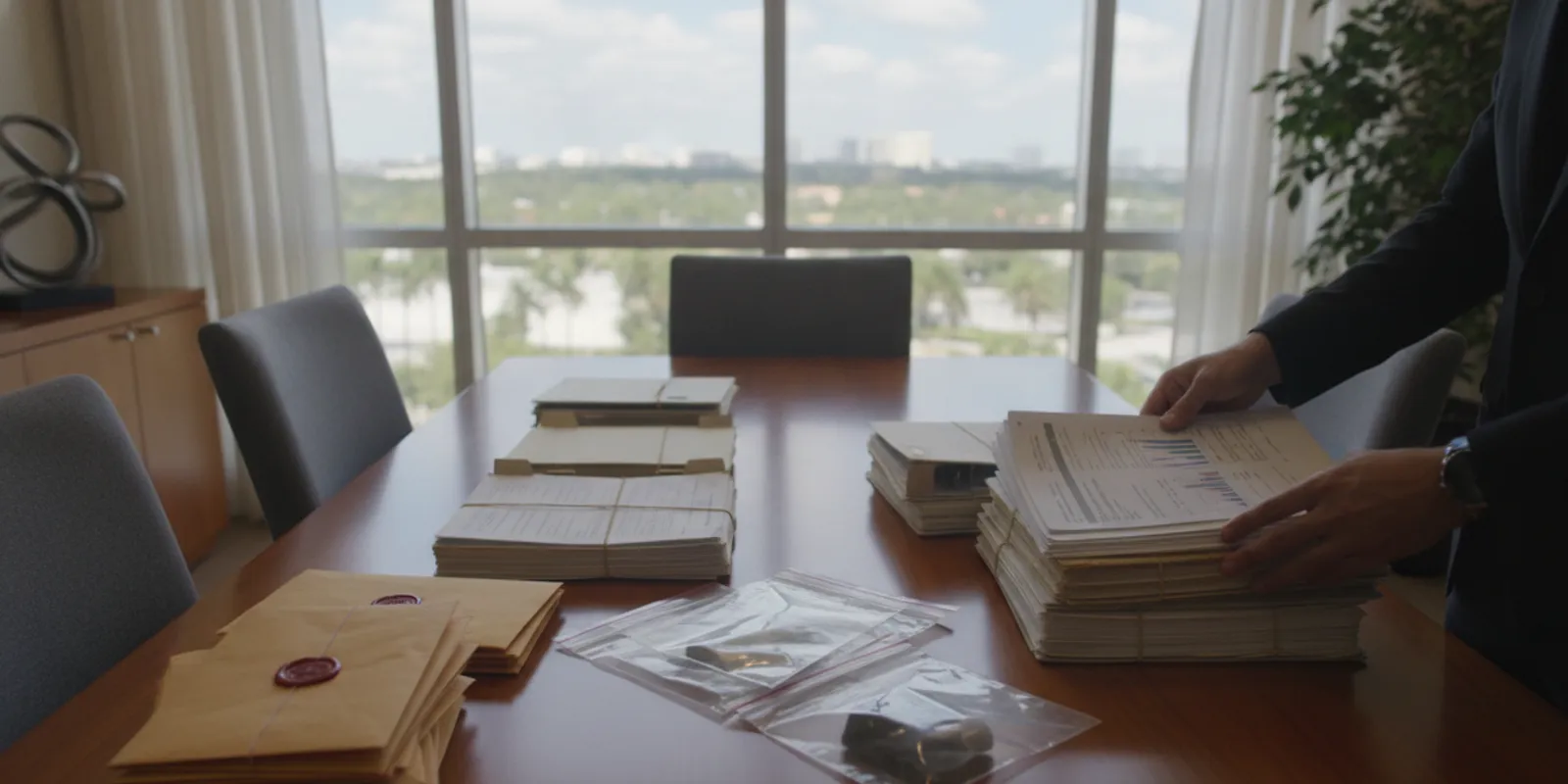
This first review separates an allegation from information that has been tested or documented. It can also identify court dates, release conditions, preservation concerns, and missing records. Counsel may compare the complaint, arrest paperwork, evidence inventory, warrant or affidavit, laboratory material, and any recordings for consistency. A mismatch does not automatically decide a case, but it can show where closer review is needed.
| File item | Questions to ask | Why it matters |
|---|---|---|
| Charging document | Which statute, subsection, and conduct are alleged? Is an amount or intent stated? | Identifies the prosecution’s stated legal theory. |
| Evidence inventory | What was listed, where was it reportedly found, and how was it packaged? | Allows comparison with collection and handling records. |
| Laboratory records | What sample was tested, what result is recorded, and when was it analyzed? | May clarify identification and the sample’s connection to the file. |
| Search records | Was a warrant, consent, or another basis stated? What area was searched? | Supplies context for how items were located and collected. |
| Statements and digital records | Who made a statement, when, and how were messages or devices obtained? | Helps build a chronology and identify issues for counsel to assess. |
This is an organizational framework, not a conclusion about admissibility, reliability, or the likely outcome. The case-specific record and governing law control. A helpful first step is to make a document index with four columns: document name, date, source, and question raised. That format gives counsel a quick map without turning your notes into legal conclusions.

How should substance identity and quantity be reviewed?
Identity and quantity should be checked against the precise allegation and the records for the item that was seized, measured, and tested.
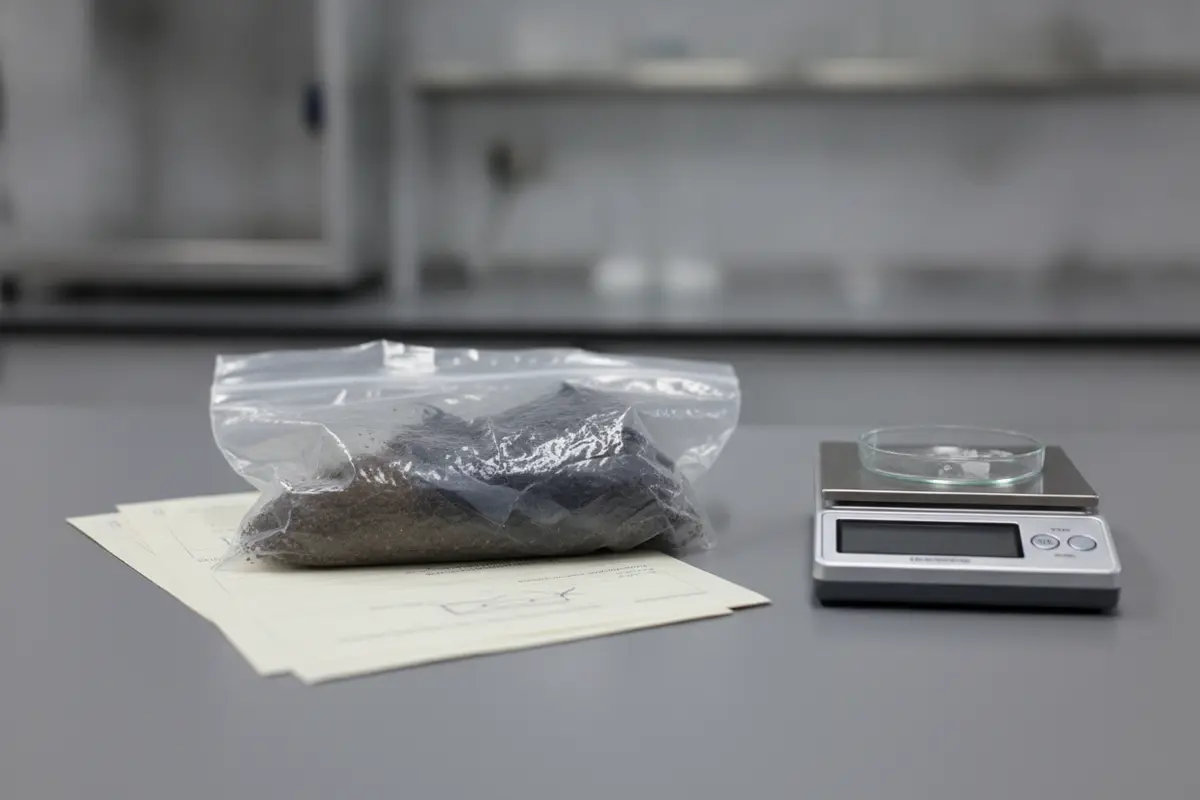
A file may include an officer’s description, a field test, laboratory findings, photographs, an evidence log, and later reports. A lawyer can compare whether the documents appear to refer to the same item, whether the sample is identified consistently, and whether the analysis addresses the issue raised by the charge. Appearance, packaging, a nickname, or a preliminary description is not a substitute for reviewing the actual reports.
Quantity requires the same care. A weight in one report may refer to a sample, a group of items, or material measured with packaging, while the charge may use a statutory threshold or another factual theory. Do not infer the offense or possible consequences from one number. Compare the charging language, the statute, the source record, and any laboratory or weighing documentation.
For example, if an evidence receipt lists three bags, a later report refers to two samples, and a charging document uses a total weight, those references should be placed in a timeline rather than casually treated as interchangeable. Record the item number, date, description, and document source for each entry. A discrepancy may have an explanation, but counsel should determine whether the explanation is supported by the records.
When records use different names, dates, weights, or item numbers, note the differences without trying to reconcile them yourself. Preserve the original records and make separate notes about questions they raise. Galanter Law’s drug trafficking allegation guide addresses that distinct type of allegation; it should not be treated as a description of every drug case.
What evidence-collection questions may matter?
The review may examine the stated legal basis, scope, timing, and documentation of a search or seizure.
Relevant records can include a warrant and supporting affidavit, consent forms, reports, photographs, body-camera material, property receipts, and chain-of-custody entries. Counsel may compare what the documents say was authorized or requested with the location searched and items collected. The legal significance depends on the facts and governing law. One detail alone does not establish that a search was lawful or unlawful.
Build a factual timeline while your recollection is fresh. Write down where you were, who was present, what you personally saw, when officers arrived, what questions were asked, and whether anyone requested consent. Mark uncertain times as estimates. Do not fill gaps by guessing. Keep the timeline private and share it with your lawyer rather than posting it online or circulating it among witnesses.
Consider the difference between what you personally observed and what someone later told you. A direct observation, a text message, and a statement in an officer’s report are different kinds of information. Labeling the source of each fact prevents separate accounts from being blended together.
Preserve messages, call logs, photographs, receipts, and relevant device information that you already have lawful access to. Do not delete, edit, discard, or overwrite material, and do not access another person’s account or device. If investigators allege a financial transaction or communication as part of the matter, that may raise a separate issue; the firm’s fraud defense information discusses that distinct practice area.
How can you prepare for a first consultation?
Bring the paperwork you have, a careful timeline, and a list of immediate questions about deadlines, court dates, and next steps.
Preparation need not be elaborate. Put documents in date order, keep originals intact, and make a short index so a lawyer can locate each item quickly. If a record is missing, write down its name and why you believe it exists; do not try to obtain restricted records or contact people to influence what they say.
- Collect charging papers, arrest or booking documents, bond paperwork, notices, and court-date information.
- Keep copies of reports, evidence receipts, messages, photographs, and other records already in your lawful possession.
- Write a dated timeline with locations, people present, and what you personally observed.
- Note any request for consent, questioning, or search of a person, vehicle, home, or device.
- If a prescription or medication is relevant, preserve existing documentation and ask counsel what is useful.
- Do not post about the allegation, coordinate accounts with witnesses, or destroy potential evidence.
A one-page index can make the meeting more efficient. For example, write “evidence receipt, Tuesday, received by family member, item number differs from report” rather than “the evidence is wrong.” The first note identifies a question; the second asserts a conclusion. If you do not understand a form or never received a copy, say so plainly.
Related information may explain separate parts of the process. The firm’s Florida felony information covers broader felony allegations, while its Florida criminal case guide discusses general case stages. A federal allegation may involve different procedures; see the federal criminal defense page. These resources are general information, not an assessment of a particular file.
What questions should you ask about the allegation?
Ask counsel to explain the statute, the facts the state would need to establish, the evidence still needed, and what happens next.
Focused questions can make a first meeting more useful:
- Which statute and specific offense appear in the charging papers?
- What facts would the state need to establish for that allegation?
- Are laboratory reports, recordings, warrant materials, or other discovery still outstanding?
- Do the reports identify the same item, location, dates, and quantity?
- What are the next court dates and immediate obligations?
- How should I preserve records and avoid interfering with the matter?
- Which facts could change the analysis, and when might those records become available?
- Are there related allegations that should be evaluated separately?
It is reasonable to ask what is known, what is uncertain, and what information is needed before counsel can give a more specific assessment. Avoid treating a preliminary conversation as a promise about a result. If the file also includes a separate traffic allegation, the firm’s traffic offense information concerns that different area.
If paperwork describes a felony, an attorney can explain how the alleged offense is classified and what consequences are actually implicated by the charge. That discussion should be grounded in the documents and applicable law rather than assumptions based on a general label. Ask for plain-language explanations of unfamiliar terms and keep a written list of follow-up items.
Ask how the review will proceed when records conflict. A practical answer may identify the missing report, the person who can authenticate a record, or the next court event at which an issue may be addressed. The point is not to force an immediate conclusion; it is to understand what information can change the analysis.
What should you avoid while a case is unresolved?
Do not alter evidence, ignore court instructions, or discuss the facts publicly; preserve information and seek individualized legal advice.
Social media posts can be copied or shared outside their intended audience. Avoid posting explanations, photographs, or comments about the allegation. Do not message witnesses to compare memories, ask someone to delete a record, or try to investigate on your own. These steps can create additional problems and make it harder to understand what happened.
Keep every notice and record together, and promptly tell counsel about new contact from law enforcement, a missed document, or a change in court scheduling. If you have a court date, confirm its time and location from reliable case paperwork or counsel. Do not rely on a general article for a deadline or procedural instruction.
If a separate allegation involves an alleged physical confrontation, the firm’s battery-charge guide explains that different issue. Keep each accusation separate when presenting your timeline, and ask counsel how the allegations relate rather than assuming one determines the other.
What legal source can help identify the applicable rule?
The current Florida Statutes are a starting point for locating the text of a Florida criminal law, but a statute citation must be read in context with the charge and case facts.
The Florida Statutes published by the Legislature can help you locate the language referenced in charging paperwork and check the relevant title or subsection. A statutory page is not a substitute for legal advice. Definitions, cross-references, amendments, and court interpretations may affect how a provision applies. Ask counsel to identify the particular subsection and explain which parts are relevant rather than searching only for a broad phrase.
When using the official text, copy the citation exactly as it appears, then record the title and subsection shown on the page. Do not assume that a similarly named section covers the same conduct or that a search-result summary states the complete rule. Bring the citation and paperwork to counsel for case-specific review.
Contact Galanter Law to discuss your situation
Frequently Asked Questions
Is “dangerous drug” a specific Florida charge?
Not by itself. Check the statute and offense named in the charging papers to identify the actual allegation.
Does a preliminary test settle what a substance is?
Do not assume that it does. Counsel can review what testing is documented, what the results say, and how the sample is connected to the item collected.
Should I explain the situation to investigators?
Before making statements about an investigation or charge, seek advice from a qualified attorney. Do not lie, destroy evidence, or ask anyone to change an account.
Can an online article predict the result?
No. The analysis depends on the charge, evidence, procedure, and case-specific facts.
What is the best next step?
Keep the paperwork and evidence records intact, note upcoming court dates, and ask a qualified Florida criminal defense lawyer to review the exact allegation and available documents; this article is general information, not legal advice.
