

A forgery allegation can turn on a signature, a document’s origin, or what someone knew when presenting paperwork. If you are looking for a forgery attorney in Florida, start by separating the accusation from what the evidence can actually establish. The exact document, the alleged act, and the reason prosecutors say it was done all matter.
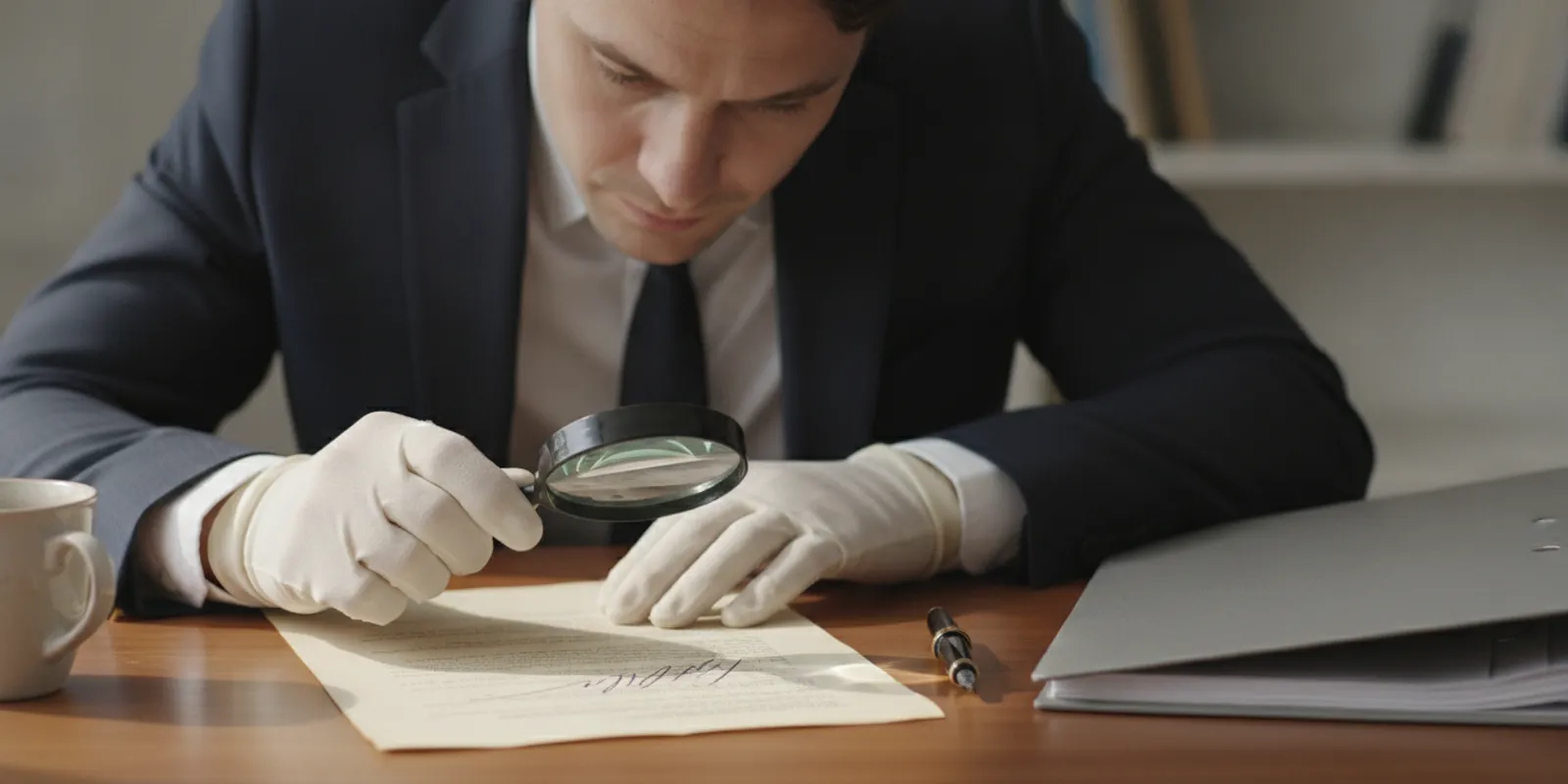
This guide explains the issues that may arise in a Florida forgery case, what records to preserve, and practical questions to discuss with counsel. It is general information, not advice about a specific case. A charge, potential penalties, and available defenses depend on the statute cited and the facts.
What does forgery mean under Florida law?
Forgery generally concerns an allegedly false or altered writing and an intent to defraud, but the precise elements depend on the charged offense and document involved.
Florida addresses forgery and related offenses in Chapter 831 of the Florida Statutes. The statute charged matters: a case alleging that a person created or changed a document may present different issues from one alleging that the person knowingly presented a document as genuine. Prosecutors must prove the elements of the particular offense beyond a reasonable doubt; an accusation alone does not establish those elements.
Documents that may become part of an allegation include contracts, checks, identification papers, records, or other writings with legal or financial significance. The document’s type and the alleged conduct are important. A disputed signature, an inaccurate form, or a document someone else prepared does not by itself answer whether a crime occurred. The evidence must be evaluated in context, including who created, changed, possessed, or used the item and what that person knew. A reader should not assume that every inaccurate document is a forgery. An error may be clerical, a signature may have been placed with permission, or a person may have relied on paperwork prepared by someone else. Those possibilities do not settle a case, but they show why the history of a document and the surrounding communications deserve careful review. The state’s theory and the applicable statutory language should be identified before drawing conclusions from a headline or a short description of the incident.
Florida’s official legislative website provides access to the Florida Statutes, including Chapter 831. Because statutes and charging decisions can be specific, review the current text applicable to the allegation rather than relying on a general description.
How can a forgery allegation differ from fraud or identity theft?
Forgery focuses on an allegedly false or altered writing; fraud and identity-related allegations may focus on a broader scheme, deception, or use of another person’s identifying information.
These categories can overlap, but they are not interchangeable. A document might be alleged to have been altered and then used to obtain money or a benefit. That could lead investigators to examine more than one theory. The charging document, not a shorthand label, identifies the offenses the state is pursuing.
| Issue | Question to clarify | Why it can matter |
|---|---|---|
| Forgery or uttering | Is the allegation about making or changing a writing, or presenting it as genuine? | The alleged act and the person’s knowledge may be disputed separately. |
| Fraud-related allegation | Does the state claim someone was deceived or a benefit was sought? | Communications, transactions, and claimed loss may become relevant. |
| Identity-related allegation | Was another person’s identifying information allegedly used? | Records may be needed to identify who accessed or submitted the information. |
| Document-authenticity issue | Who created, signed, changed, or transmitted the item? | Originals, metadata, and witness accounts may help establish its history. |
The table is a starting point, not a way to classify a case without reviewing its paperwork. A criminal defense attorney can examine the actual counts and explain how related allegations may interact. Galanter Law’s criminal defense practice addresses criminal allegations, while its page on Florida fraud defense provides related context.
What evidence may matter in a Florida forgery case?
Evidence may include the document itself, records showing how it was created or transmitted, witness accounts, and facts bearing on knowledge and intent.
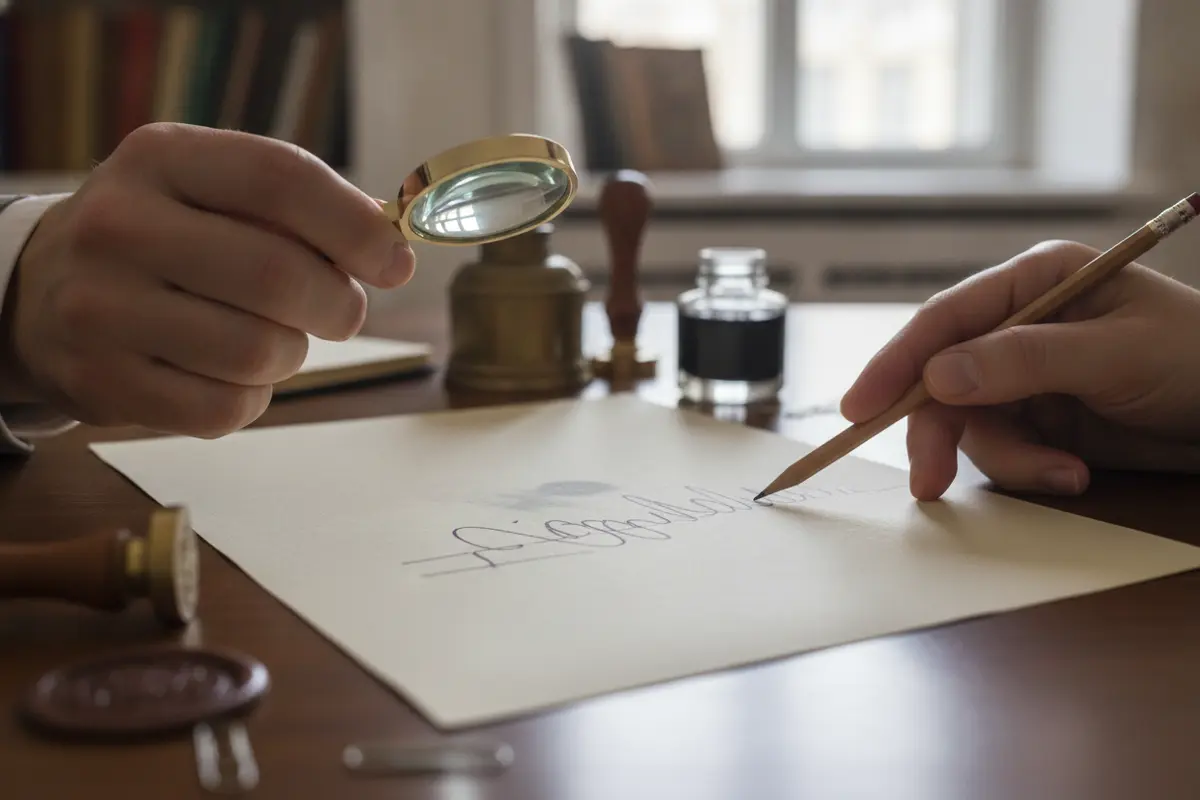
Document cases often depend on details that are easy to overlook. Investigators may examine the original paper, scans, emails, account records, or electronic files. If a signature is disputed, the source and quality of any comparison material may matter. If the case involves a digital submission, access logs and device records may help show who could use an account, but access alone does not necessarily establish who submitted a document or what they knew.
Other relevant questions may include:
- Is the item an original, a copy, a screenshot, or a later version?
- Who had access to it, and when?
- Are there messages or instructions that explain how it was prepared?
- Does a witness recognize the document or the signature?
- Do records establish a transaction, an attempted transaction, or no transaction?
- Is there evidence of an innocent explanation, mistake, authorization, or another person’s involvement?
Preserve potentially relevant material in its existing form. Avoid editing messages or files, deleting accounts, or asking anyone to change an account of events. Do not try to recreate a document or investigate another person’s accounts. A lawyer can advise what is appropriate and how evidence can be gathered lawfully. If the relevant item is electronic, keep the original message or file where possible, along with the device or account information showing where it came from. Avoid forwarding a file repeatedly if doing so could remove useful context, and do not alter its name, contents, or metadata to make it easier to share. Make a separate list of people who may know how the document was prepared or submitted. These steps help you remember what exists; they do not authorize accessing someone else’s information or collecting records in a way that violates an order or law. Ask counsel how to preserve and provide materials safely.
What should you do if police contact you about a document?
Do not guess about the facts or try to explain the allegation on the spot; get legal advice before answering questions or providing materials.
Police may describe the contact as routine or ask for a quick clarification. Even so, your words can become part of an investigation. You can remain calm, avoid arguing, and ask whether you are free to leave or whether the officer is requesting an interview. Do not lie, destroy records, or obstruct an investigation. If officers present a warrant or subpoena, do not ignore it; promptly seek advice about what it requires and any response deadline.
Write down what you can remember after the contact: the date, the agency, the names or identifying details of people present, what was requested, and any deadlines mentioned. Keep copies of notices and paperwork. If you are not sure whether you are being treated as a witness or a suspect, do not assume that status will remain the same or that an informal conversation cannot matter. Politely ask what the contact concerns and whether you may consult a lawyer before answering questions. If you receive a court date or a written demand, note the deadline and show the complete document to counsel promptly; do not rely on an incomplete photo or someone else’s summary. Do not contact a person you believe may be a witness to coordinate accounts. If you have already spoken with investigators, make a private, factual note of what happened and tell your lawyer.
A lawyer may assess the allegation, communicate with investigators when appropriate, and help you understand the next steps. The Florida felony charge guide explains broader questions that can arise if a case is charged as a felony. The criminal case stages guide offers more background on how a case may proceed.
Contact Galanter Law to discuss your situation
What questions should you ask a forgery attorney?
Ask what offense is being investigated or charged, what the state must prove, what evidence exists, and what immediate steps can protect your position.
A focused first conversation can help you understand what is known and what remains uncertain. Share the charging document, court papers, notices, and relevant communications if you have them. Before the meeting, organize a brief timeline in your own words, label what you personally observed, and separate it from assumptions or information from others. Bring the names of people who handled the document, any prior versions you can lawfully access, and a list of questions about deadlines or restrictions. You do not need to resolve every inconsistency before asking for advice. Do not write on, mark up, or discard an original document; note your questions separately and ask counsel how to handle the item. Explain what you personally know, distinguish that from what someone else told you, and identify any missing records or approaching deadlines.
Questions you may want to raise include:
- Which statute and specific offense does the allegation involve?
- What acts does the state attribute to me, and what evidence supports that account?
- Is the question about creating, changing, possessing, or presenting the document?
- How will the case address knowledge, intent, authorization, or who had access?
- Are there related fraud, theft, or identity allegations?
- What should I preserve, and what should I avoid discussing or sharing?
- What deadlines, court dates, or release conditions need attention?
For broader preparation, see Galanter Law’s guide to choosing a defense lawyer in Miami and its overview of criminal discovery in Florida. Those resources do not replace advice about the facts of your case.
How can a lawyer review the document and the allegation?
A lawyer can compare the alleged conduct with the charged offense, examine available records, and identify questions that need answers before decisions are made.
The review may begin with the arrest or charging paperwork and the document at issue. Counsel can look at how the state describes the act, whether the available evidence appears to support each element, and what additional information may be necessary. The analysis may include whether a document was altered, whether it was presented as authentic, who had access to it, and what evidence bears on knowledge or intent.
Depending on the case, a lawyer may assess witness accounts, communications, account or transaction records, and the reliability of any document comparison. A defense may focus on mistaken identity, lack of knowledge or intent, authorization, an incomplete investigation, or weaknesses in how evidence was collected or interpreted. Which issues are available depends on the evidence and law. No particular defense or result can be promised from a short description of an accusation.
The timing of advice matters. Early guidance can help you avoid unintentionally changing, losing, or explaining away evidence. It can also help you understand whether an investigator’s request, court date, or other legal notice requires action. For information about the firm and its criminal defense work, visit Galanter Law’s about page.
Request a consultation about your case
Frequently Asked Questions
The answers below are general; the charge and facts determine what applies in an individual case.
Is a disputed signature enough to prove forgery?
No. A disputed signature may prompt investigation, but the state must prove the elements of the charged offense. The document’s history, the person’s knowledge, and other evidence may be important.
Can someone face an allegation if another person prepared the document?
Possibly, depending on what prosecutors allege the person did and knew. The person who created a document and the person who allegedly presented it may raise different factual questions. The particular charge and evidence must be reviewed.
Should I give investigators my phone or documents?
Do not assume that a request is optional or that you should hand over material without advice. Ask for legal guidance, preserve relevant items, and promptly address any warrant, subpoena, or other formal demand.
Where can I read the Florida law on forgery?
Chapter 831 of the Florida Statutes addresses forgery and related offenses. The Florida Legislature’s official website provides access to state statutes; confirm the current language and the specific section related to any charge.
What is the next step?
If you are facing a Florida forgery investigation or charge, preserve relevant records, avoid discussing the facts with investigators or potential witnesses without legal advice, and review the actual charge with a lawyer. A careful review can clarify what the state alleges and what questions should be addressed next.
