

An indecent exposure lawyer can explain what the allegation means under Florida law, what evidence may matter, and what steps to take after police contact. The location, alleged conduct, witness accounts, and statements all matter; the charge label alone does not answer what happened or what the state can prove.
Contact an attorney to discuss your situation
What does indecent exposure mean under Florida law?
Florida Statutes section 800.03 addresses exposure of sexual organs in a public place or on another person’s premises in a vulgar or indecent manner, subject to statutory language and exceptions.
The statute is the starting point for analysis, not a complete answer about a particular event. The state must prove the applicable elements, and the precise facts can matter. Read the text of Florida Statutes section 800.03. The law’s words should be considered together with the charging document and evidence, not a summary or label used in a report.
There may be questions about what was visible, where each person was, and whether the alleged conduct fits the statute. An allegation is not proof. A lawyer can compare the reported facts with the legal requirements and identify issues that need more information.
What details can change the analysis?
The exact setting, actions, and observations may affect whether the allegations meet the legal requirements.
For example, a description that an incident happened “in public” may leave important details unanswered. The physical layout, distance, lighting, duration, and the vantage point of a witness can affect what a person could actually see. A video may capture only part of an event, while a written report may summarize rather than reproduce each witness’s words.
Review should separate direct observation from inference. One person may describe what they saw; another may repeat what they were told. Accounts may also differ about sequence or timing. Those distinctions do not automatically establish a defense or prove guilt. They identify questions to check against original records and other evidence.

- Location: What was the precise location, and how does it relate to the statute’s language?
- Conduct: What does each account say happened, and are there differences in wording?
- Visibility: What could a witness see from that position, for how long, and under what conditions?
- Timing: Do calls, messages, recordings, or other records help establish an order of events?
- Statements: What was said, to whom, and whether the account was recorded or written down?
A useful review avoids filling gaps with assumptions. If a witness says they saw something from across a room, for instance, the view, distance, obstacles, and lighting are relevant factual questions. If two accounts give different times, the difference should be documented and checked against reliable records rather than resolved by guesswork.
Consider how a careful factual review works in practice. Suppose a report gives an approximate time, but a receipt or message appears to show a different sequence. Preserve the original record, note when and how it was created, and tell counsel where it came from. Do not edit the record or decide on your own that it proves a point. The lawyer can assess whether it is relevant and whether additional context is needed.
Similarly, if a recording begins after the reported event started, its limits matter. Identify who made it, whether a longer original exists, and whether the camera angle or sound leaves parts unclear. A clip should not be treated as a complete account merely because it is easy to share. A neutral inventory of what each item shows—and does not show—helps keep the review grounded.
These factual questions are not a checklist of defenses. A detail can be important, immaterial, or require more investigation depending on the applicable law and the full record. The purpose of documenting it is to give counsel an accurate starting point.
What should you do after police contact or an arrest?
Stay calm, avoid discussing the incident publicly, preserve relevant information, and seek legal advice before answering questions about the allegation.
Do not guess or try to explain away details in a recorded conversation. Do not lie, destroy evidence, interfere with an investigation, or resist law enforcement. Ask whether you are free to leave; if arrested, follow instructions and request a lawyer. Avoid contacting an accuser or witnesses about the incident. Even a well-intended message can be misunderstood or complicate matters.
- Make a private timeline. Record dates, approximate times, places, people present, and what you remember. Mark uncertain details as uncertain instead of presenting guesses as facts.
- Preserve original material. Save relevant messages, photographs, call logs, and recordings in their original form. Do not crop, annotate, delete, or repost them.
- Keep legal paperwork. Save a citation, charging document, release paperwork, and every notice about a court date or condition. Photographing a document for backup does not replace keeping the original.
- List possible witnesses. Note names and contact information if known, along with what each person may have observed. Do not ask anyone to coordinate stories or change an account.
- Get advice promptly. Ask counsel how to handle any interview, evidence request, court appearance, or contact from investigators.
These steps preserve information; they do not determine what a legal defense should be. A person may be unsure whether a detail matters. Keep it in the timeline and let counsel assess it. For general context, see the firm’s guide to stages in a Florida criminal case.
What possible consequences should you ask about?
Potential consequences depend on the charge, facts, record, and court decisions; no outcome can be predicted from a label alone.
Section 800.03 classifies the offense as a first-degree misdemeanor, subject to its provisions and exceptions. A conviction may bring consequences beyond a sentence, including effects on employment, reputation, or future opportunities. The significance of those effects is individual. Ask a lawyer to explain the actual charge and the potential exposure under current law rather than relying on an online description of a different case.
| Issue to clarify | Why it matters | Practical preparation |
|---|---|---|
| What statute and charge are listed? | The specific charge identifies the legal requirements that apply. | Keep the citation or charging papers and ask counsel to explain each count. |
| What evidence is available? | Accounts, recordings, and records may differ or leave questions unresolved. | Preserve originals and note where and when each item came from. |
| Are there court dates or release conditions? | Missing a date or misunderstanding a condition may create additional problems. | Review every notice promptly and confirm the next required step with counsel. |
| Are there related allegations? | Separate charges can have distinct elements and consequences. | Ask for a separate explanation of each allegation. |
How can an indecent exposure lawyer review the case?
A lawyer can assess the charge, explain the process, and identify evidence or legal issues that deserve closer review.
The review may begin with the charging document and the statute. Counsel can compare the allegations with the legal elements, review available reports and witness accounts, and determine what evidence is known or still needs to be obtained through the appropriate process. The analysis can also consider whether the report distinguishes what a witness observed from what someone else said.
Next, a lawyer may organize a timeline and compare it with records such as messages, photographs, or video. Questions may include whether a recording is complete, when it was made, who had access to it, and whether the original has been preserved. A difference between accounts is a question to investigate, not an automatic conclusion about credibility or outcome.
The lawyer can also explain upcoming court appearances and deadlines and discuss possible paths based on the evidence and the client’s goals. No particular result can be promised. The firm’s Florida sex crimes defense page describes a related practice area, while its criminal defense practice page provides broader information.
Schedule a confidential case discussion
How should you prepare for a legal consultation?
Bring the paperwork and records you have, plus a concise timeline and questions you want answered.
Start with the documents that establish the immediate status of the matter: any citation, charging paper, release document, or court notice. Put them in date order if possible. If something is missing, write down what you recall receiving and when rather than delaying a request for advice until the file feels complete.
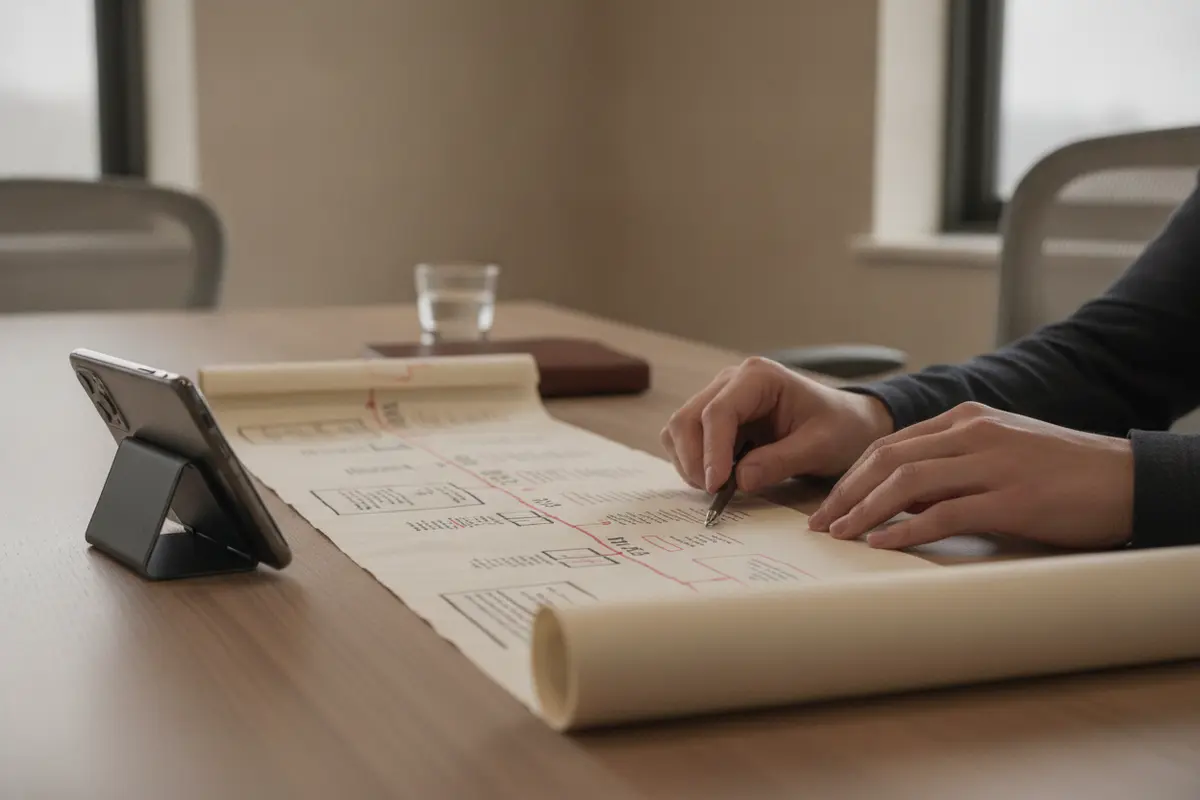
Prepare a short account of events and clearly label uncertain times or details. Include information that may seem unfavorable as well as facts you believe help explain the situation. Counsel needs an accurate picture to identify useful questions. Keep potentially relevant materials intact, and do not send sensitive material to others or post it online.
Useful consultation questions include: What exact charge is pending? What legal elements must be proved? What evidence has been identified so far? Are there dates or conditions I must follow? How should I handle further police contact? What records should I preserve or gather? These questions help focus the discussion without assuming that a particular defense or outcome applies.
It can help to sort materials into a few simple groups before the meeting: court and release paperwork, communications, photographs or recordings, and names of people who may have information. Add a brief note to each item stating its source and date, but leave the item itself unchanged. If a file is stored on a phone or account, identify how it can be accessed without forwarding it broadly or posting it online.
Prepare questions about the process as well as the allegation. Ask what the next scheduled event is, whether any deadlines or conditions apply, what information the lawyer needs next, and how to route future communications from investigators. If there are multiple documents with different dates or descriptions, bring all of them rather than choosing the one that seems most favorable. A complete and candid account allows counsel to identify gaps and explain what can responsibly be concluded.
The firm handles criminal defense matters in South Florida. Learn more about Galanter Law and its Florida sex crime attorney information.
Schedule a confidential case discussion
Frequently asked questions
Is indecent exposure always charged as a crime in Florida?
The statute describes conduct that may be charged, but whether a particular incident qualifies depends on the facts and applicable law. A lawyer can review the allegation and charging papers.
Should I speak with police to clear up a misunderstanding?
Do not assume an informal explanation will resolve the matter. Seek legal advice before answering questions about the incident, and do not lie or guess.
What should I bring to a consultation?
Bring any citation, charging papers, release documents, court notices, and relevant records. A short timeline and list of questions can help organize the discussion.
Can a lawyer guarantee a dismissal?
No lawyer can guarantee a particular outcome. Counsel can explain the issues, review available evidence, and discuss possible paths in light of the individual case.
What is the next step?
If you face an indecent exposure allegation, preserve relevant records and get advice about the specific charge and any upcoming court obligations. This legal information requires review by counsel and does not replace advice about an individual case.
