

A motion to suppress evidence in Florida is a formal request asking a judge to keep particular evidence or statements out of a criminal case because law enforcement obtained them unlawfully. It can address physical evidence found during a search, observations made after an allegedly unlawful stop, or statements taken in violation of constitutional protections.
Schedule a confidential case review with Galanter Law to discuss how the evidence in your Florida criminal case was obtained.
Suppression is not automatic just because an officer made a mistake. The judge examines the facts, the legal basis for the police conduct, and any exceptions that may apply. A successful motion may significantly change a case, but it does not necessarily result in dismissal. The prosecution may still have other admissible evidence.
Because these issues often turn on video, reports, warrant materials, and exact timelines, a defense attorney should examine the record early. This guide explains the principal grounds for suppression, what happens at a hearing. And the possible outcomes without promising that a judge will exclude evidence in any specific case.
Motion To Suppress Evidence Florida: What is a motion to suppress evidence in Florida?
A suppression motion asks the trial court to exclude identified evidence from use in the prosecution’s case. Florida Rule of Criminal Procedure 3.190(h) addresses motions to suppress evidence obtained through an unlawful search and seizure. The rule requires the motion to identify the evidence at issue, state the reasons for suppression, and provide a general statement of supporting facts.
A motion should therefore be more specific than a general assertion that the police acted unfairly. Counsel normally connects the challenged conduct to a constitutional or legal protection and explains how the violation led to the evidence the prosecution wants to use.
Suppression and dismissal are different remedies
Suppression concerns whether particular evidence can be admitted. Dismissal ends a charge or case. If a judge suppresses evidence, the prosecution must reassess whether its remaining proof is sufficient. That may affect negotiations or lead the state to dismiss a charge, but dismissal does not follow automatically.
The constitutional foundation
Search-and-seizure challenges generally involve the Fourth Amendment and article I, section 12 of the Florida Constitution. Challenges to statements may involve the Fifth Amendment, voluntariness principles, Miranda protections, or the Sixth Amendment right to counsel after formal proceedings begin. Which protection applies depends on what happened and when.
The court also considers exceptions and limits developed through case law. For that reason, two encounters that sound similar at first may produce different rulings after the court reviews the details.
When can physical evidence be challenged?
Physical evidence may be challenged when it resulted from an allegedly unlawful search, seizure, stop, or arrest. Common examples include drugs found after a vehicle stop, a weapon recovered during a frisk. Digital evidence taken from a phone, or property seized during execution of a warrant.
Stops, detentions, and arrests
An officer generally needs an adequate legal basis to stop or detain someone. The required basis depends on the level of the encounter. A brief investigative detention ordinarily requires reasonable suspicion, while an arrest ordinarily requires probable cause. Counsel may examine what the officer knew before acting, rather than facts discovered only afterward.
In a traffic case, review may include the alleged traffic violation, the length and scope of the stop. Any extension of the encounter, and the sequence leading to a search. Video and dispatch records can be important when they differ from a written report.
Warrants, consent, and exceptions
A search warrant does not prevent all challenges. Counsel may review whether the application established probable cause, described the place and items with sufficient particularity, and was executed within lawful bounds. Depending on the facts, the state may argue that officers relied on a warrant in good faith.
Many searches occur without a warrant. The prosecution may rely on consent or another recognized exception. A consent dispute may involve whether consent was voluntary, who had authority to give it, and whether officers exceeded its scope. Other disputes can involve searches incident to arrest, exigent circumstances, automobile searches, inventory procedures, or plain-view observations.
| Police action | Questions counsel may investigate | Possible prosecution response |
|---|---|---|
| Traffic or pedestrian stop | What facts existed before the detention, and how long did it last? | The officer had reasonable suspicion or probable cause. |
| Consent search | Was consent voluntary, authorized, and limited in scope? | Valid consent permitted the search. |
| Warrant search | Was the warrant supported and properly executed? | The warrant was valid or officers relied on it in good faith. |
| Search after arrest | Was the arrest lawful, and did the search stay within permitted bounds? | The search was incident to a lawful arrest or another exception applied. |
Evidence derived from an alleged violation
A challenge may reach not only the item first discovered but also evidence later obtained because of the alleged illegality. Courts often describe this issue through the fruit-of-the-poisonous-tree doctrine. However, doctrines such as independent source, inevitable discovery, and attenuation can allow evidence despite an earlier problem. The judge must apply those principles to the specific chain of events.
When can statements or confessions be suppressed?
A defendant may challenge a statement when police allegedly obtained it in violation of Miranda protections, through coercion, or in violation of the right to counsel. The analysis is often more nuanced than asking whether an officer read a warning.
Custody and interrogation matter
Miranda warnings are generally associated with custodial interrogation. A court may consider whether a reasonable person in the same circumstances would have felt free to end the encounter. Along with whether police words or actions were reasonably likely to elicit an incriminating response.
A voluntary statement made outside custodial interrogation may be treated differently. Likewise, an volunteered statement may present a different issue from an answer to police questioning. Body-camera footage, interview-room recordings, and the exact wording of questions can be central to the analysis. A lawyer handling violent crime allegations may need to compare an interview recording with reports and witness accounts before deciding whether to challenge a statement.
Voluntariness is a separate question
Even when Miranda does not control, the Constitution requires a confession to be voluntary. A judge may examine the totality of the circumstances, including the methods used, the duration and setting of questioning, and any alleged threats or improper promises. The presence of pressure does not by itself decide the issue; the court considers whether the statement was the product of free choice under governing law.
The remedy may be limited
Suppressing a statement does not always exclude every related item or prevent all possible use of the statement. The scope of the remedy depends on the nature of the violation and other legal rules. The prosecution may also dispute whether the defendant was in custody, whether interrogation occurred, or whether a waiver was knowing, intelligent, and voluntary.
How does a Florida suppression hearing work?
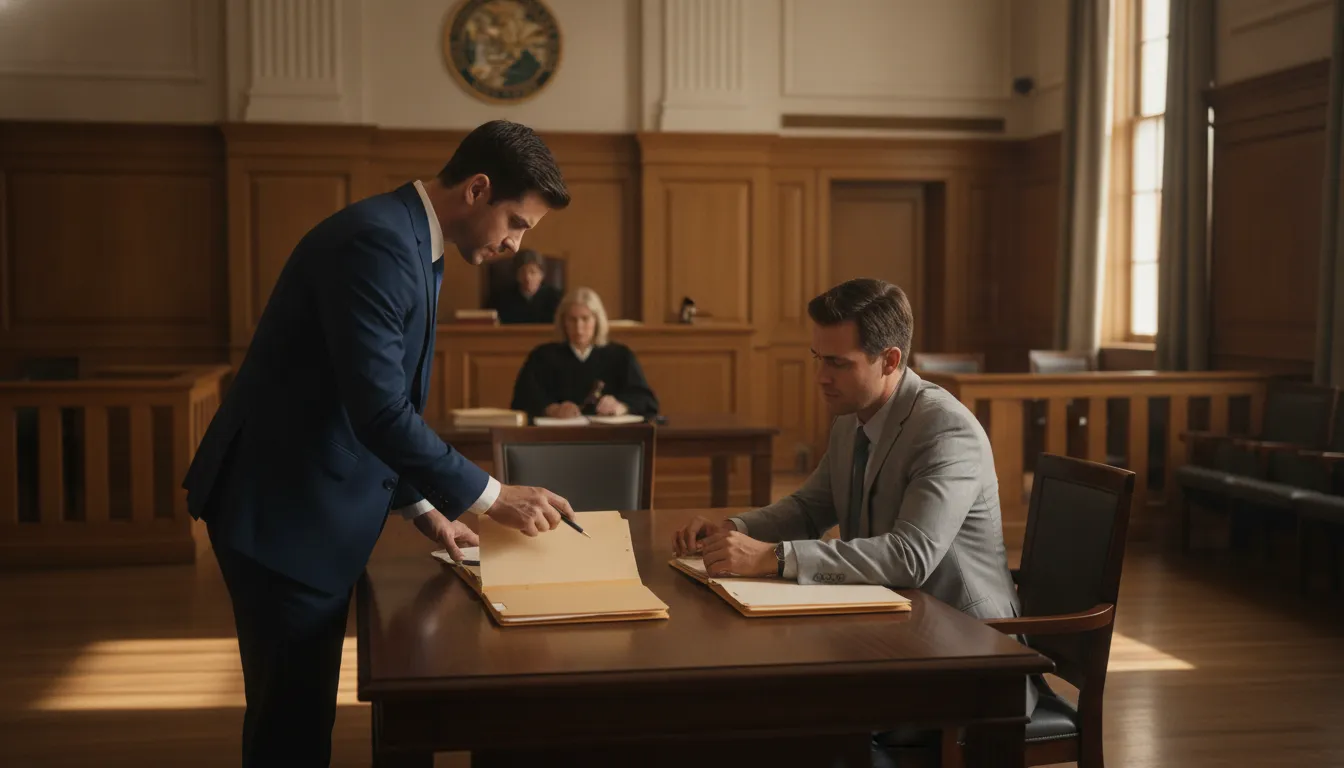
A suppression issue typically develops before trial through investigation, a written motion, a response from the prosecution, and an evidentiary hearing. Florida Rule of Criminal Procedure 3.190 supplies important procedural requirements, while constitutional doctrine and the facts shape the hearing itself.
- Defense counsel identifies the disputed evidence. The review may begin with discovery, police reports, recordings, photographs, warrant documents, and witness accounts.
- Counsel develops the legal grounds. The motion connects the facts to the claimed violation and identifies the particular evidence or statements the court is being asked to exclude.
- The motion is filed and scheduled. Timing and local procedures matter. A late or insufficient motion can create avoidable problems, although courts may address timing differently depending on the circumstances.
- The parties prepare witnesses and exhibits. Officers and other witnesses may testify. Video, dispatch logs, warrant affidavits, written consent forms, and interview recordings may become exhibits.
- The judge conducts the hearing. Both sides may question witnesses and make legal arguments. The applicable burdens can vary with the type of search, seizure, or statement at issue.
- The judge makes findings and rules. The court may grant the motion, deny it, or grant it only as to certain evidence. The judge may rule from the bench or issue a written order.

Credibility and detail can decide close issues
Suppression hearings are often fact intensive. The judge may compare testimony with recordings, reports, or other objective evidence. Small details can matter, such as where a person stood, what an officer said before a search, when a detention began, or whether someone limited consent.
The hearing is not a jury trial on guilt. Its purpose is to decide the admissibility questions raised by the motion. Still, the ruling may substantially affect how the case proceeds.
What happens after the judge rules?
If the judge denies the motion, the challenged evidence generally remains available for the prosecution to use, subject to other objections and trial rules. Defense counsel can then evaluate the remaining strategy, including whether any issue may be preserved for later review.
If the judge grants the motion, the order may exclude all or only part of the challenged material. The practical result depends on the importance of that evidence and what other admissible proof remains.
Possible effects of a successful motion
- The prosecution may continue using other evidence.
- The parties may reassess plea negotiations.
- The state may reduce or dismiss a charge if its remaining proof is insufficient.
- The ruling may narrow the issues for trial.
- A party may seek review when the law permits it.
No attorney can responsibly promise that evidence will be excluded or that a case will be dismissed. A well-founded motion gives the court a structured way to examine the challenged conduct and decide what the law requires.
Partial suppression can still matter
Not every ruling is all or nothing. A judge might exclude a statement but allow physical evidence, or exclude items beyond the lawful scope of a search while admitting other items. Even a partial ruling can affect how the prosecution presents its case and how the defense evaluates risk. In cases involving alleged controlled substances, the suppression ruling may be especially important to the strategy for drug crime defense.
Call Galanter Law at (305) 576-0244 for a confidential review of the stop, search, statements, and evidence in your case.
What should a defense attorney review first?
Early review helps counsel preserve evidence, identify conflicts, and determine whether a suppression motion has a factual and legal basis. The right starting point depends on the case, but several records commonly deserve prompt attention.
Recordings and time-sensitive evidence
Body-camera footage, dashboard video, surveillance recordings, dispatch audio, and jail calls may clarify the timeline. Some recordings are retained only for a limited period under agency policies. Counsel may need to send preservation requests or pursue discovery promptly.
Reports, warrants, and property records
Police reports provide the official account, but they should be compared with objective evidence and witness recollections. For a warrant search, review may include the application, affidavit, warrant, return, and inventory. Property receipts and chain-of-custody records can help identify exactly what officers seized and where they claim to have found it.
Statements and alleged consent
Counsel may examine recordings, signed forms, officer testimony, and surrounding circumstances to evaluate an alleged waiver or consent. The wording and sequence matter. A general agreement to speak does not necessarily answer every legal question about a later search, and permission to search one area does not necessarily authorize every action.
An attorney experienced in Florida criminal defense can assess whether the record supports a suppression issue and how it fits the broader defense. People facing charges in South Florida can also learn more about working with a Miami criminal defense attorney. If federal agents or a federal warrant are involved, counsel familiar with federal criminal defense in Miami can evaluate the distinct procedures and authorities that may apply.
Contact Galanter Law to arrange a confidential consultation before important recordings, records, or deadlines are lost.
Frequently asked questions
Does an illegal search automatically dismiss a Florida criminal case?
No. If a judge excludes evidence, the prosecution may still proceed with other admissible proof. Dismissal is possible when the remaining evidence is insufficient, but it is not automatic.
Can evidence from a search warrant be suppressed?
Potentially. Counsel may examine probable cause, particularity, information presented to the issuing judge, and how officers executed the warrant. The prosecution may argue that the warrant was valid or that an exception applies.
Can a statement be suppressed if police did not read Miranda rights?
It depends. Miranda generally concerns custodial interrogation. The court will consider whether the person was in custody, whether interrogation occurred, and whether any waiver was valid. Voluntariness is also a separate issue.
Who decides a motion to suppress?
The judge decides the motion, usually after an evidentiary hearing where the parties may present testimony, exhibits, and legal argument. The jury does not decide the pretrial admissibility question.
When should a defense attorney investigate suppression?
As early as possible. Prompt review can help preserve recordings, obtain discovery, compare reports with objective evidence, and meet procedural deadlines. Whether a motion should be filed depends on the facts and law.
Talk with a Florida criminal defense attorney
A suppression issue can turn on seconds of video, the wording of a question, or the scope of alleged consent. Galanter Law can review the circumstances, assess the available evidence, and explain possible next steps without promising a particular result.
Call (305) 576-0244 to schedule a confidential consultation about your Florida criminal case.
