

A post conviction lawyer may help a person challenge a conviction or sentence after the direct appeal process. The available remedy depends on the record, timing, legal basis, and evidence. Florida post-conviction litigation is not a second opportunity to repeat every disagreement with a verdict. It is a focused process governed by procedural rules and deadlines.
Schedule a consultation about your case
What can a post conviction lawyer do in Florida?
A post conviction lawyer reviews whether a recognized legal error may support relief and identifies the procedure that may apply.
The review begins with the complete case history, not merely the final judgment. Counsel may examine the charging document, plea or trial record, sentencing materials, discovery, motions, appellate decisions, and information outside the original record. The aim is to separate a potentially actionable issue from a claim already decided, procedurally barred, or unsupported by admissible evidence.
Post-conviction work can involve a motion to vacate, set aside, or correct a conviction or sentence, an application for a new proceeding, or another form of collateral relief. The correct route depends on the facts. The immediate goal might be to challenge the conviction, correct a sentence, address a plea, or deal with another consequence of the case.
A law review discussion of collateral post-conviction remedies in Florida explains that relief is based on recognized grounds rather than a general retrial. General information cannot determine whether a particular case qualifies.
When should you speak with a post conviction lawyer?
You should speak with a post conviction lawyer as soon as you identify a possible legal error or learn that a filing deadline may apply.
Different remedies can have different filing periods, triggering events, and exceptions. Waiting can make it harder to obtain transcripts, locate witnesses, preserve electronic evidence, or explain why an issue was not raised earlier. A delay may affect whether a court can consider the claim.
Early review is especially important when you believe counsel provided ineffective assistance, entered a plea without understanding a material consequence, or failed to investigate an important defense. It is also important when new evidence may affect the verdict or sentence, when the prosecution may have withheld helpful information, or when a sentence appears illegal, unauthorized, or incorrectly calculated.
A consultation does not mean a claim will succeed. It provides an opportunity to identify the governing rule, calculate possible deadlines, and determine what records and evidence are needed before a filing is prepared. Keep any notice of appeal, appellate mandate, judgment, and post-judgment order together; their dates may be relevant to evaluating which process remains open.
What issues may support post-conviction relief?
A post-conviction claim must connect specific facts to a recognized legal ground for relief.
Possible categories include ineffective assistance of counsel, newly discovered evidence, a constitutional violation, prosecutorial misconduct, an involuntary or legally defective plea, and an illegal sentence. The label alone is not enough. A motion generally must explain what happened, why it matters under the legal standard, and how it affected the result.
For an ineffective-assistance claim, the analysis commonly asks whether counsel’s performance fell below the required standard and whether the deficiency caused prejudice. A general complaint that a lawyer was unresponsive or made a poor decision may not establish either part. The court may need affidavits, correspondence, testimony, or record excerpts.
New evidence also requires careful examination. Evidence unavailable at trial may be treated differently from evidence known but not presented. Credibility, materiality, timing, and likely effect can matter. Preserve the original form of evidence and avoid overstating what it proves.
Sentencing issues require a separate review. The question may involve statutory authority, a scoresheet, credit for time served, supervision conditions, or multiple sentences. A sentence challenge is not necessarily a challenge to the underlying conviction.
Different claims also call for different proof. A claim about advice during plea discussions may rely on communications and testimony; a claim about a sentencing calculation may turn on the written order, scoresheet, and applicable law. An issue involving evidence not disclosed before trial may require a precise account of when it became known, what it contains, and how it relates to the case. Organizing the factual theory before drafting can help keep a filing focused and avoid unsupported conclusions.

How is post-conviction relief different from a direct appeal?
A direct appeal generally reviews claimed errors apparent in the trial or sentencing record, while post-conviction litigation may address certain issues requiring evidence outside that record.
An appeal may argue that the court made a legal error, admitted evidence improperly, gave an incorrect instruction, or imposed a sentence contrary to law. Appellate review generally relies on what was preserved and included in the record.
A post-conviction motion may be appropriate for facts that cannot be resolved from the existing record, such as advice given during plea negotiations or why a witness was not called. Even then, a court may reject an issue that should have been raised on appeal, was already decided, or fails a procedural requirement. Do not assume an unsuccessful appeal ends every possible review, and do not assume a post-conviction motion replaces an appeal.
The distinction is practical as well as procedural. An appellate issue is usually framed from the record that already exists. A claim that depends on conversations, investigation decisions, or information outside that record may need additional evidence and a different procedure. Counsel should compare the proposed claim with prior filings and rulings before deciding how to present it.
What documents should you gather before a consultation?
Bring every case document you can obtain, along with a timeline of what happened.
- Arrest paperwork, charging documents, and amendments.
- Plea forms, plea transcripts, trial transcripts, and sentencing transcripts.
- Judgments, sentencing orders, probation documents, and custody records.
- Motions, written rulings, notices of appeal, opinions, and mandate information.
- Letters, emails, messages, and other communications with prior counsel.
- Discovery, police reports, expert materials, and newly discovered evidence.
- A list of dates, witnesses, disputed facts, and questions about prior representation.
Build a simple chronology: arrest or charge, plea or trial, sentencing, appeal, and any later court action. Note when you first learned each disputed fact and identify the document or person that may confirm it. Do not guess at dates; mark them as approximate if necessary and explain what source could verify them.
Do not alter original files, delete messages, contact witnesses to shape their accounts, or post case details publicly. Preserve materials as received. If a transcript or court file is unavailable, record what you requested and when.
What can you expect during a post-conviction case review?
A careful review begins with eligibility, deadlines, and legal theory before counsel recommends a filing.
First comes factual reconstruction. Counsel may compare your account with the docket, transcripts, filings, and prior decisions. Differences between memory and the written record are common, so the review should identify which facts can be proved and which require investigation.
Next comes issue screening. A lawyer may ask whether the issue was preserved or previously decided, which rule applies, whether the claim is timely, what evidence supports it, whether the alleged error could have changed the result, and what remedy a court can provide.
If a filing is appropriate, it must be specific and supported. The other side may respond. The court may deny it on its face, request a response, order an evidentiary hearing, or grant relief permitted by law. A hearing is not automatic, and further review may depend on the order and applicable rules.
| Question | Why it matters | What to gather |
|---|---|---|
| What is being challenged? | Conviction and sentence issues may use different procedures. | Judgment, sentence, plea or trial record |
| When did the relevant event occur? | Deadlines and exceptions may control eligibility. | Docket, orders, appeal and mandate dates |
| What proof exists? | Specific claims need supporting evidence. | Transcripts, messages, affidavits, records |
| What result is sought? | The remedy must match the legal issue. | Written goals and case history |
Post-conviction litigation can take time because the court may obtain records, hear witnesses, and resolve factual disputes. It may also be separate from probation, immigration, licensing, or other consequences. Discuss those consequences early so they can be considered in the plan.
Keep copies of anything filed or received, and make a note of court dates and instructions. If there is a hearing, ask what testimony or records may be needed and whether witnesses should be contacted through counsel. Do not assume the court will request every missing item or schedule a hearing automatically.
How do you choose the right lawyer?
Choose counsel who explains the procedural posture, deadlines, evidence requirements, and limits of the proposed claim.
Ask whether the lawyer has handled post-conviction litigation in the court involved, what records are needed, and what the review includes. Ask how counsel distinguishes an appeal from collateral relief and how updates will be provided. You should receive a candid explanation of strengths, weaknesses, possible outcomes, and costs rather than a promise of a particular result.
Post-conviction work is highly fact-specific. A lawyer focused only on the charge category may miss a sentencing, plea, preservation, or procedural issue. Conversely, a broad allegation without supporting facts may not be enough to obtain a hearing. The quality of the initial record review is important.
It can help to prepare questions in advance: Which deadline needs immediate attention? What records are missing? Which issues are potentially available, and which may be barred? What facts need independent confirmation? What possible outcomes should be considered, and what work would be required before counsel can give a firmer assessment? Clear answers help you understand the next step without mistaking a preliminary consultation for a promise.
What other Florida remedies may be relevant?
Post-conviction relief is one possible path, and another remedy may fit the client’s goal better.
A person may need advice about an appeal, sentence correction, probation issue, clemency, sealing, or expungement. These remedies have different eligibility requirements and do not produce the same result. A record remedy generally does not erase the fact that a case existed in every setting, and it may not be available after every disposition.
The Florida restoration-of-rights and record-relief overview provides general information about several forms of relief. For related background, review Galanter Law’s Florida criminal case attorney guide, Florida speedy-trial rule guide, Florida criminal discovery guide, expungement and sealing page, and criminal appeals information. These resources can organize questions but cannot decide eligibility.
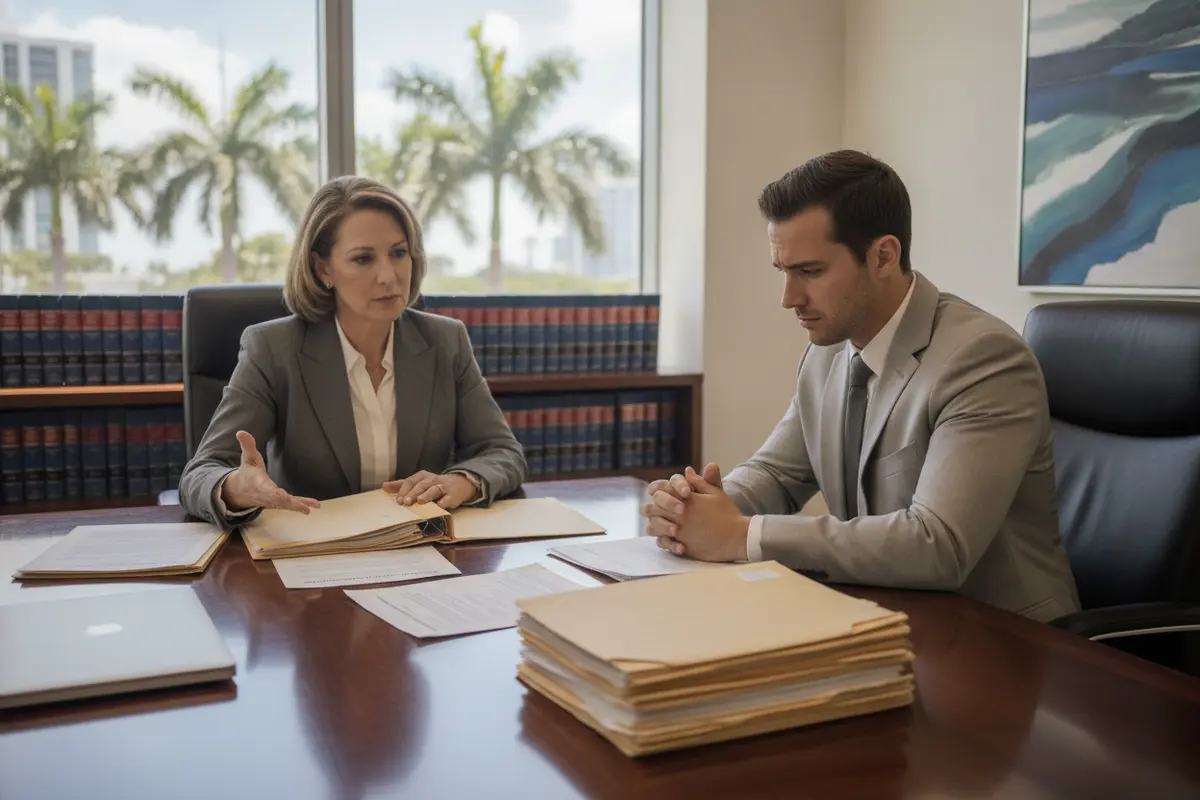
Talk with a Florida criminal defense lawyer about your options
Frequently Asked Questions
Can a post conviction lawyer guarantee that a conviction will be overturned?
No. The outcome depends on facts, the record, governing law, and the court’s ruling. A responsible review explains potential grounds and obstacles.
Can I raise any issue after a conviction?
No. Procedural rules, prior decisions, preservation requirements, and deadlines may limit what a court can consider.
Do I need the trial transcript?
Often it is important, but the docket, orders, plea documents, appellate record, communications, and evidence outside the record may also matter.
Is a post-conviction motion the same as an appeal?
No. They serve different purposes and follow different procedures. Counsel can assess whether one, both, or another remedy should be considered.
Request a confidential case review
What is the best next step?
The best next step is to preserve your records, write down relevant dates and concerns, and obtain prompt legal review before an applicable deadline passes. A Florida post conviction lawyer can help determine whether the facts support a recognized remedy and explain the practical path forward.
