


After a Florida criminal case ends, a post conviction relief attorney can help assess whether any post-judgment remedy may fit the record and procedural rules. The judgment, sentence, issues raised earlier, and current stage of the case can all affect what options remain.
Request a case-specific review from Galanter Law.
Florida law allows a person in custody to seek collateral relief when a conviction or sentence allegedly violates state or federal law, subject to statutory conditions. Post-conviction relief is not the same as a direct appeal, record sealing, or expungement, and no result should be assumed before counsel reviews the complete case history.
This guide explains the main distinctions, records that may help with an initial review, and why deadlines must be calculated from the actual procedural history. It is general information for legal review, not a prediction about any individual case.
What post-conviction relief can address in Florida
Florida collateral review may provide a way for a person in custody to challenge a conviction or sentence alleged to violate the Florida or United States Constitution or law. Subject to statutory conditions. The issue is not simply whether the result feels unfair. The facts must support a claim that can be considered under the applicable law.
Florida Statutes section 924.066 describes collateral relief for a prisoner in custody. It does not make relief automatic. The legal basis, court record, and procedural requirements all matter. Counsel may need to examine what occurred at trial or during a plea, what sentence was imposed, and what issues have already been raised.
Collateral review is different from a direct appeal
A direct appeal asks an appellate court to review claimed errors from the trial-court proceedings through the appellate process. Collateral review is a separate, post-judgment route with its own legal and procedural limits. It is not simply a second chance to repeat every argument from an appeal. Learn more about Florida direct criminal appeals and how that process differs.
It is not the same as sealing or expungement
Post-conviction relief concerns a challenge to a conviction or sentence. Record sealing or expungement is a different process that concerns access to or removal of eligible criminal-history records. A post-conviction motion does not itself guarantee that a record will be sealed or expunged. Anyone considering record-clearing options needs a separate eligibility review under the laws governing those remedies.
An innocence concern still needs a legal path
A general assertion of innocence does not identify which court procedure applies or establish that a claim meets its requirements. The available path can depend on what happened in the case, what evidence exists, and what prior proceedings addressed. Evidence-specific procedures, such as a petition for DNA testing, are governed by separate statutes and are not a universal substitute for collateral review.
How procedural posture changes the available remedy
The same concern can lead to different legal questions depending on whether the case is at trial, on direct appeal, or in collateral review. A plea, a sentence-only challenge, and a completed appeal can leave different records and issues to examine. The remedy cannot be chosen from the allegation alone.
At trial or during a plea proceeding, the record may show what objections were made, what evidence was presented, and what issues were resolved. Preservation matters because Florida law generally requires an error to have been preserved for direct appellate review, unless it qualifies as fundamental error. Section 924.051 defines preservation and prejudicial error for this analysis. Read the statute at Florida Statutes section 924.051.
Direct appeal and collateral review are different paths
A direct appeal asks an appellate court to review qualifying errors in the proceedings. Collateral review is a separate post-judgment process. Under section 924.051, collateral relief is limited for grounds raised, or that could have been raised, at trial and, if preserved, on direct appeal. The statute and its exceptions require case-specific analysis. It does not mean every later claim is automatically barred.
Contact Galanter Law to discuss which procedural path may fit your case.
What the prior history can change
If a direct appeal is pending or has concluded, filings and decisions can help identify which issues were presented and how they were resolved. A sentence-focused concern may call for different analysis from a challenge to the conviction. The judgment, sentence, plea or trial record, and appellate decision all matter.
Earlier post-conviction filings matter too. Their claims, rulings, and dates can affect what remains available and whether a proposed filing raises an issue already addressed. A careful review traces the case from the plea or trial through any appeal and prior collateral motions. No conclusion should be based only on a short case summary.
Why deadlines depend on the case record and finality
For a noncapital case. Florida law generally says a post-conviction or collateral motion may not be considered if filed more than two years after the judgment and sentence became final. But statutory exceptions exist. This is not a universal deadline for every post-judgment request. The exact timing requires review of current statutes and rules alongside the case history. See Florida Statutes section 924.051.
The statutory trigger is finality of the judgment and sentence, not simply the date someone learned about a possible legal issue or decided to seek help. Establishing that trigger can require reviewing what happened after the trial court entered its judgment and sentence, including appellate history and later orders. A date recalled from memory may not be enough.
Exceptions are narrow and fact dependent
Section 924.051 identifies limited categories that may affect the general restriction. They include facts that were unknown and could not have been found through due diligence, certain constitutional rights held to apply retroactively, and specified illegal-sentence claims. These categories are legal standards, not automatic extensions.
The statute states that an illegal sentence exceeding the maximum or falling below the minimum authorized by statute may be challenged at any time. That language does not turn every sentencing disagreement into an illegal-sentence claim. Counsel must compare the judgment and sentencing record with the current law.
What to verify before relying on a date
Do not rely on a general online timeline to decide that a case is too late or safely within time. A post conviction relief attorney can compare the record with current provisions and identify which deadline may control a particular request. That review is not a promise that a court will accept a filing or grant relief.
Which records should you gather for an initial review?
A useful starting packet includes the judgment and sentence, court docket, plea or trial records, filed motions and orders, and prior appeal or post-conviction filings and decisions. These materials help counsel understand what happened, what issues were raised, and where the case stands. This is a practical checklist, not an exhaustive filing requirement.
Start with final rulings and the timeline
- Gather the judgment and sentence. These show the conviction entered, the sentence imposed, and the court’s final action.
- Request the docket or case register. The docket can identify filings, hearings, orders, appeals, and later motions that affect posture.
- Collect filed motions and orders. These can show which issues were presented and how the court ruled.
- Find appellate and post-conviction records. Notices, briefs, opinions, mandates, prior motions, and rulings can help distinguish a new issue from one already addressed.
Include what happened during the plea or trial
Plea or trial transcripts may clarify what was said in court, what the judge decided, and what issues were addressed. If the case went to trial, an inventory of discovery or physical evidence can help counsel identify what material was considered. An inventory remains useful even when the underlying evidence is not in your possession.

If you cannot obtain a transcript or filing, tell the lawyer what is missing. Available materials may still clarify the chronology and identify what should be requested from the court or clerk. Missing a document does not automatically end the inquiry.
When DNA testing or sentence correction may be a separate path
Some post-judgment issues call for a focused procedure rather than a general request to revisit the conviction. Florida law provides a petition process for certain post-sentencing DNA testing, while a sentence concern may require a separate procedural analysis. Neither route is automatic.
DNA testing is limited to qualifying evidence
Under Florida Statute 925.11, an eligible person sentenced for a felony may petition the court to examine collected evidence that may contain DNA. The requested testing must be capable of exonerating the person or mitigating the sentence. This is not a general right to test any item or reopen a case because testing technology has changed.
The petition must be sworn and set out specific information. It must address the evidence and its location, prior testing, how the proposed testing could support exoneration or sentence mitigation, any disputed identification, and service of the petition. Filing a petition does not mean testing will be ordered.
A guilty or no-contest plea can affect eligibility
For certain felony pleas entered after July 1, 2006, Florida Statute 925.12 adds conditions to a DNA-testing petition under section 925.11. Relevant circumstances include facts that were unknown and could not have been discovered through due diligence, or evidence that was not disclosed before the plea. Counsel should check the plea date, record, and disclosure history against the current statutory criteria.
A potential sentence error is also distinct from a claim seeking DNA examination. The appropriate procedure depends on the judgment, sentencing record, type of alleged error, and applicable rules.
What to expect when you contact a post conviction relief attorney
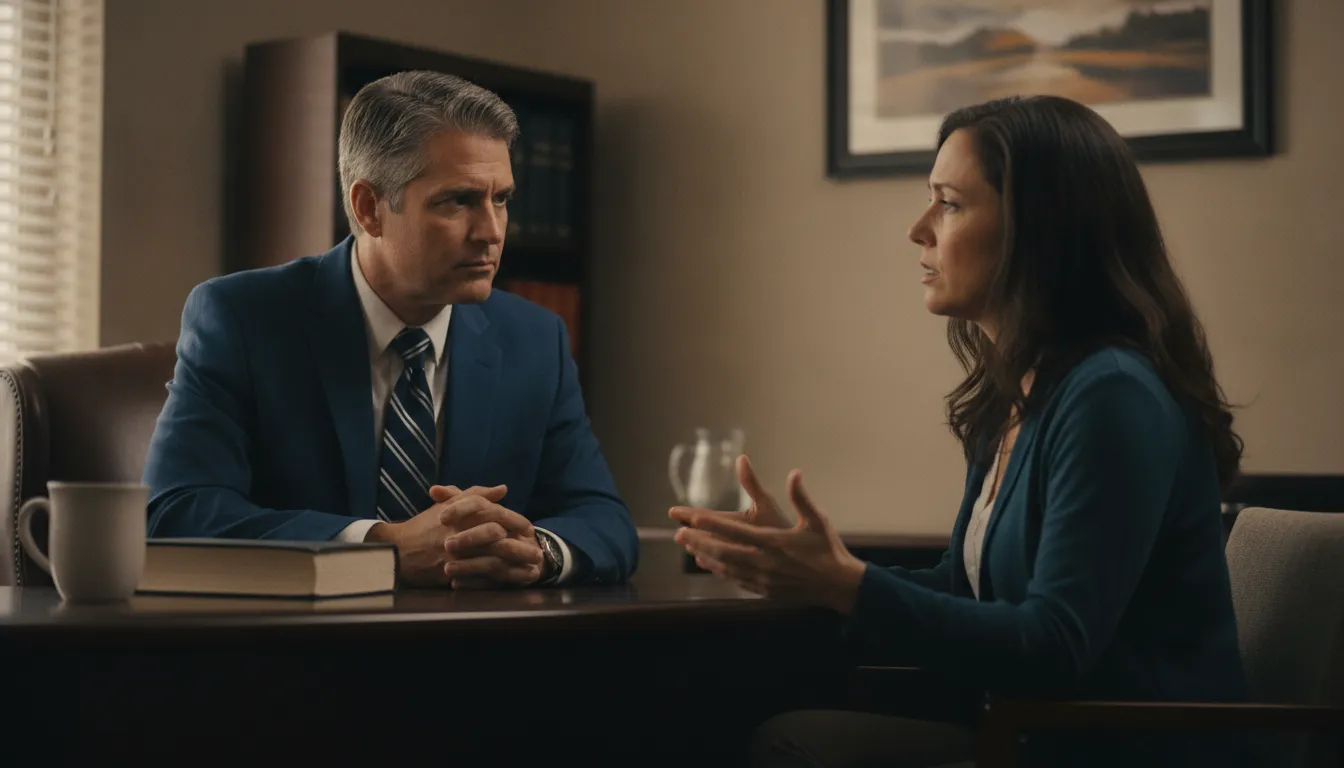
An initial conversation should focus on the record and the question you want answered, not on promises about the outcome. Counsel may ask what happened at trial or during a plea, what sentence was imposed, whether an appeal was filed, and whether earlier motions were decided.
Bring what you have, even if records are incomplete. A docket, judgment, sentence, transcript, and prior court rulings can help establish the procedural timeline. If you do not have a transcript or filing, explain what is missing so the next step can be considered in context.
Questions that can organize the review
Prepare a short chronology and ask which dates or orders control the next decision. Ask how a direct appeal differs from collateral review, whether a particular issue appears in the existing record, and what additional documents or evidence may be useful. If the concern involves a plea, sentence, or physical evidence, identify that specifically.
For background on the separate appellate path, review the firm’s Florida direct criminal appeals guide. Readers seeking broader representation can learn about Florida criminal defense services and the firm’s attorney and firm background. Questions about a sentence can also be put in context with this overview of Florida sentencing guidelines.
A review does not guarantee that a court will consider a filing or change a conviction or sentence. It can clarify what the record shows, which rules may apply, and whether further analysis is warranted.
Request a case-specific review of your Florida post-conviction options.
Frequently Asked Questions
How long do I have to seek post-conviction relief in Florida?
There is no single deadline for every remedy. Florida law generally bars a noncapital collateral or post-conviction motion filed more than two years after the judgment and sentence become final, subject to exceptions. Counsel should verify the current rule and calculate the deadline from the case record.
What records should I gather for an initial review?
Start with the judgment and sentence, docket, plea or trial transcripts, prior motions and orders, and appeal or post-conviction decisions. If available, include discovery or an inventory of physical evidence. You do not need to delay asking for a review because some records are missing.
Is post-conviction relief the same as a direct appeal?
No. A direct appeal reviews qualifying errors from trial-court proceedings, while collateral review addresses certain claims after judgment under separate requirements. The right path depends on the issue and case history.
Can I request DNA testing after a guilty plea?
Possibly, but a plea does not make DNA testing automatic. Florida law provides a narrow process for eligible post-sentencing felony cases involving physical evidence that may contain DNA and could exonerate the person or mitigate the sentence. Additional statutory conditions apply to certain pleas.
Contact us about your Florida case
Post-conviction options can depend on what happened in court, which issues were raised, and when the judgment became final. To request a free initial consultation about your case, contact Galanter Law and share what you know about the case timeline and records.
Call (305) 576-0244 to discuss next steps.
