

If investigators have contacted you, or you have reason to believe you are being investigated, a criminal investigation lawyer can help you understand the situation before formal charges are filed. Early advice can help you assess what is known, preserve relevant information, and consider how to respond without assuming what authorities will do.
What does a criminal investigation lawyer do before charges?
A criminal investigation lawyer advises and represents a person while law enforcement is investigating, before a formal charge is filed.
The work depends on the facts and the investigative request. It may involve reviewing communications, helping the client understand the situation, examining available evidence, representing the person during an investigation, and discussing possible next steps. The purpose is to assess the matter carefully, not to guess at the eventual outcome.
Galanter Law describes its pre-charge work as including representation during police investigations, grand jury representation, and discussions with prosecutors before charging where appropriate. The firm also describes investigating evidence and tailoring a defense strategy to the circumstances. Learn about its criminal defense counsel and the firm’s broader criminal-defense practice.
Pre-charge representation cannot guarantee that authorities will decline to file charges. It also does not mean that every investigation follows the same path. An attorney can help identify what is known, what remains uncertain, and what questions should be addressed based on the individual situation.
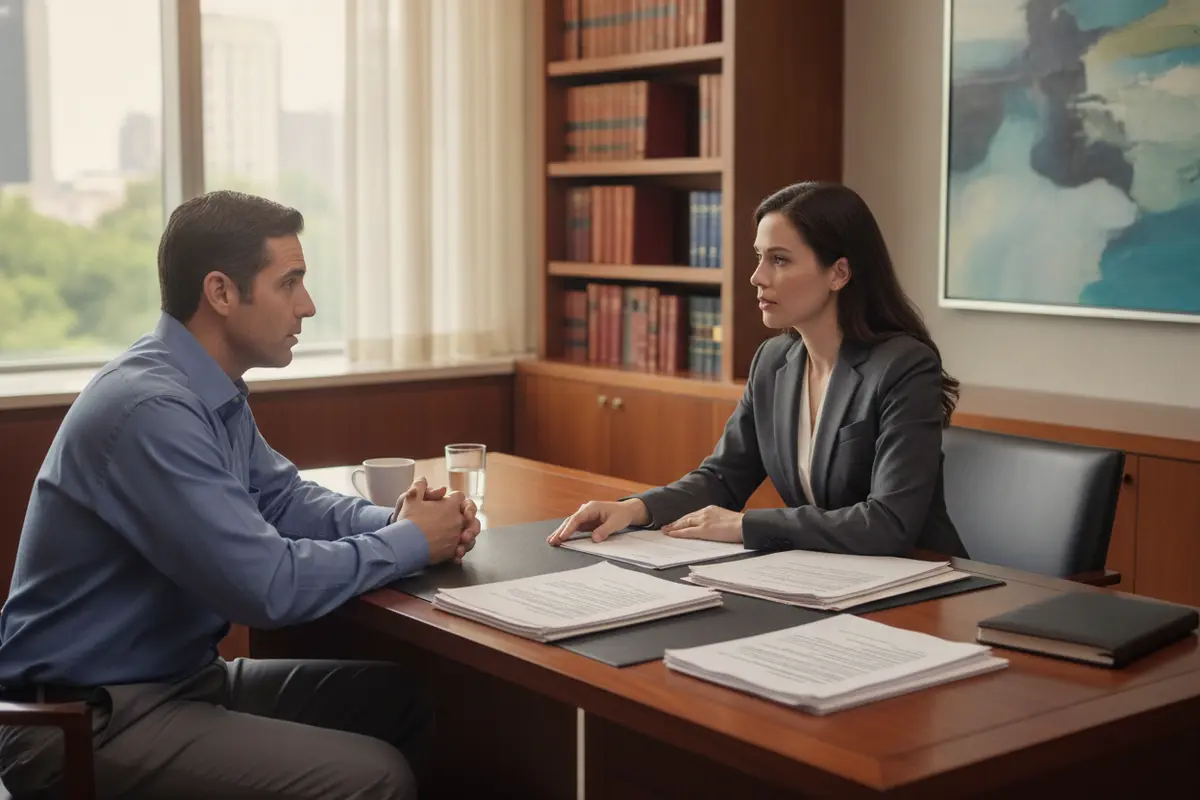
What should you do when law enforcement contacts you?
Record what happened, preserve the communications, and seek legal advice promptly before deciding how to respond.
Start with a factual note while the details are fresh. Include the date and time, how the contact happened, the name or identifying information of the person who contacted you, what was requested, and any deadline or meeting information mentioned. Save voicemails, letters, emails, texts, and call details in their original form.
Do not try to fill gaps in your memory with guesses. If you do not know who called or cannot recall the precise wording, note that uncertainty. A brief chronology is more useful when it separates what you personally observed from what someone else told you.
Requests can differ. An investigator may ask for a conversation, seek records, or refer to a legal document. This article cannot determine your legal obligations or prescribe a response to a particular request. Do not ignore a lawful order or deadline; have counsel review the actual document or request and explain the options that may apply.
Galanter Law says it provides initial guidance on rights and next steps in emergency situations and expects same-day responses for investigations. Its firm information gives additional context about the practice. If you have received a notice, keep it intact and share the complete document with counsel rather than relying on a summary.
Talk with Galanter Law about your situation
How can a lawyer help you prepare for an interview request?
A lawyer can review the request and the surrounding facts, then discuss what choices may be available in that specific situation.
There is no universal script for speaking with investigators. Before making a decision, you can explain what was said, who made the request, whether anything was put in writing, and whether you have already spoken with anyone about the matter. Counsel can consider the context and explain questions or risks that deserve attention.
Be precise with your lawyer. If you remember only part of a conversation, say so. If you have made an earlier statement, describe when and where it occurred and what you recall saying. Do not revise your recollection to make it sound more certain than it is. Organize any related records, but do not alter, annotate, delete, or discard originals.
Galanter Law describes Yale Galanter as a former prosecutor and says that experience informs its understanding of how cases may be built and where evidence merits careful review. Read the firm’s attorney background information for its account of his professional background. Experience does not predict how an investigator or prosecutor will handle a particular matter.
A broad overview of the criminal investigation process describes it as involving a blend of science, legal expertise, and human insight. That general point is a reminder that different kinds of information may need context; it does not establish what evidence exists or what conclusion will be reached in an individual investigation. Read the overview of the criminal investigation process.

What if you receive a grand jury subpoena?
Keep the subpoena and arrange for a lawyer to review it promptly; do not treat a general online article as an answer to the document’s specific demands.
Write down when and how it arrived, and retain the original along with any envelope or accompanying pages. Note the named recipient, any dates, and the materials or appearance information described. Those details help counsel understand what the document says and what questions need to be considered.
Do not destroy, edit, or conceal records that may relate to an investigation. If a request involves records held by an employer, business, or another person, avoid taking steps on their behalf without advice. The appropriate response depends on the actual document and circumstances, so have counsel explain the issues before acting.
Galanter Law lists grand jury representation among its pre-charge services. That description is not a promise that representation will stop a proceeding or prevent charges. For a broader view of how different stages may fit together, see the firm’s overview of criminal case stages.
What information should you organize for a consultation?
Bring the communications, documents, and timeline that help explain what has happened so far.
A consultation can be more focused when you separate records into a few simple groups. Do not try to prove a theory or decide which details matter before getting advice. Instead, preserve material in its original form and make it easy to identify.
- Contact records: letters, subpoenas, emails, texts, voicemail, business cards, and notes about calls or visits.
- A timeline: dates of investigator contact, meetings, searches, or other events, marking uncertain dates as estimates.
- Relevant records: documents or messages you believe may relate to the inquiry, saved without edits or deletions.
- People and context: names of people who may have relevant information and a short note about what you know firsthand.
- Questions: what the request means, whether there are dates that need attention, what information to preserve, and what the next discussion should cover.
Do not contact potential witnesses to coordinate accounts, try to access accounts or devices that are not yours, or ask another person to change a record. If you are unsure how to handle sensitive or third-party materials, ask counsel. Galanter Law’s consultation contact form is an option for people who prefer to submit details online.
How does pre-charge representation differ from representation after charges?
Pre-charge representation concerns an investigation before a formal charge; representation after filing addresses an already-filed criminal case.
The stage affects what information is available and what decisions may be pending. Before charges, the focus may include understanding investigative contact, reviewing known material, and assessing possible next steps. After a filing, the lawyer can address the allegations and the process connected with the filed case. The table is a general comparison, not a prediction or a procedural timeline.
| Topic | Before formal charges | After charges are filed |
|---|---|---|
| Starting point | Investigation or contact from authorities; no formal charge has been filed. | A formal allegation has been filed and the criminal case is underway. |
| Information to organize | Investigative communications, notices, records that may be relevant, and a factual chronology. | Filed documents and other case information counsel can review in that proceeding. |
| Possible legal work | Investigation representation, evidence review, grand jury representation, or pre-charge discussions where appropriate. | Representation addressing the filed allegations and case proceedings. |
| What cannot be promised | No guarantee that charges will or will not be filed. | No guarantee of a particular result; each matter depends on its facts and law. |
The details vary. Some investigations may involve a request to speak; others may involve a written demand or a grand jury subpoena. A person who has already spoken with an investigator should tell counsel what happened rather than assume that a later review is no longer useful. The firm also handles matters in areas such as fraud defense and drug-crime defense, where the relevant records and questions can differ substantially.
What details may affect the legal analysis?
The nature of the request, the available information, and the person’s own account all affect what questions counsel should examine.
For example, an informal request for a conversation raises different practical questions from a subpoena that lists records and a date. If a person has already made a statement, the timing, setting, people present, and wording as remembered may matter. These examples do not establish a legal result; they show why counsel needs the actual context rather than a one-line description.
Evidence may include communications, documents, physical items, or accounts from people with relevant information. Preserve what you have and be clear about what you do not have. Do not create a new record that claims to be an original, and do not make public posts about the facts while trying to explain your side. A careful review can distinguish firsthand knowledge from assumptions and identify areas that require follow-up.
The subject matter can also shape the questions. A financial record inquiry, for example, is different in practical terms from an allegation involving a physical event. Galanter Law provides information about fraud investigation questions and questions after a serious investigation; those pages offer related context, not a substitute for advice about another person’s facts.
What should you ask during an initial consultation?
Use the consultation to describe the contact accurately, ask what information may help assess it, and discuss possible next steps and fees.
Galanter Law states that an initial consultation is free and carries no obligation to retain the firm. You can prepare a short account of events and then ask practical questions, such as:
- What parts of the request or document need prompt attention?
- What records should I preserve, and how should I keep them?
- What additional information would help you evaluate the situation?
- How would you explain the possible next steps without assuming an outcome?
- How are fees determined for a matter with these facts?
The firm says criminal-defense fees vary based on factors such as complexity, charge severity, and jurisdiction. No specific fee range for pre-charge representation is provided here. Ask directly how fees would be discussed if you decide to explore representation.
The firm describes confidentiality and attorney-client privilege as professional standards. The information available here does not establish the legal status of a particular communication before representation is agreed. If you have a concern about sharing sensitive details, ask the firm how to handle it before sending material.
What should you avoid while an investigation is ongoing?
Avoid changing potentially relevant material, guessing when recounting events, or trying to influence what another person says.
Preserve communications and records in their original form. Do not delete messages, edit files, or ask someone else to alter an account. Avoid discussing factual details in public posts. If you have already taken one of these steps, be candid with counsel about what happened and when; do not try to cover it up or repair it by changing more material.
Do not assume that cooperation, silence, or any single response is automatically right in every situation. The facts and the request matter. Get legal advice about your circumstances, and do not disregard a legal document or deadline. The firm states its legal team is available around the clock for emergency situations and immediate response is expected for arrests.
Galanter Law serves people in Miami-Dade, Broward, and Palm Beach counties. Its Florida felony information and federal criminal defense information cover other contexts in which an investigation may raise distinct questions.
Contact Galanter Law to discuss your situation
Frequently asked questions
Can a lawyer guarantee that charges will not be filed?
No. A lawyer may review evidence, represent a client during an investigation, and discuss the matter with prosecutors where appropriate, but no specific outcome can be promised.
Should I agree to an interview when an investigator asks?
There is no single answer for every request. Get advice based on the circumstances and the actual request before deciding how to respond; this article cannot determine what is right for a particular person.
What if I have already spoken with an investigator?
Write down what you remember, including when and where the conversation occurred and who was present. Tell counsel accurately, including where your memory is uncertain, and preserve related records.
How much does pre-charge representation cost?
The firm does not provide a set fee range for pre-charge representation in the available information. It says fees vary with matters such as complexity, charge severity, and jurisdiction, and that the initial consultation is free with no obligation to retain the firm.
What is the next step?
If investigators have contacted you, organize the communications, preserve relevant material, and get advice tailored to your situation. An early, factual review can help you understand the questions that need attention without assuming what the outcome will be.
