

.
Being charged with a crime in Florida does not mean the case moves straight from arrest to trial. Several decisions and court events may occur first, and the order can depend on the county, court, charge, and facts of the case.
Ready to understand the process? Contact Galanter Law for a free consultation or call (305) 576-0244.
A criminal trial lawyer can explain how Florida pretrial steps, including first appearance, release or detention, formal charges, discovery, motions, and plea discussions, may affect preparation for trial.
Florida’s rules separately address first appearance, pretrial release, probable-cause determinations, formal charging, and arraignment, but no single timeline applies to every case. Understanding what each milestone is designed to accomplish can make the process easier to follow as the case develops. The first stage is identifying which early court events apply and what decisions may need attention.
What Happens First After Criminal Charges in Florida?
After criminal charges, the first steps commonly involve a first appearance and a decision about pretrial release or detention. The case may then involve probable-cause review, a formal charging document, and arraignment. These events do not always occur in the same order or on the same schedule. The county, court, charge, and facts of the case can affect what happens next.
First appearance and release decisions
First appearance is an early court proceeding addressed by Florida Rule of Criminal Procedure 3.130. Depending on the circumstances, the court may also address whether the person will be released before trial and under what conditions. Florida rules separately address pretrial release and pretrial detention. Those decisions can involve conditions, restrictions, or continued custody, but the result depends on the case and applicable law.
Probable cause and formal charges
Probable cause is the legal basis for believing that an offense may have been committed and that the accused may be connected to it. Florida rules provide for pretrial probable-cause determinations and adversary preliminary hearings. The rules also address the time for filing formal charges and identify indictments and informations as charging documents. These milestones are related, but they are not interchangeable. A probable-cause review does not itself resolve guilt or determine the final outcome.
Arraignment and the next decision points
Arraignment is a separate procedural stage under Florida Rule 3.160. It generally gives the accused an opportunity to address the formal charge and enter a plea, subject to the circumstances of the case. The process may then move toward discovery, pretrial motions, plea discussions, or trial preparation. For a plain-English overview of this stage, see Florida arraignment and plea options.
A criminal trial lawyer can help explain which milestone is scheduled, what the charging document alleges, and what decisions require attention. This article provides general legal information, not case-specific advice. Florida counsel should review the details before anyone makes a decision about release, a plea, or the direction of a defense.
A simple way to understand the major stages
| Stage | Primary purpose | Why the facts matter |
|---|---|---|
| Early hearings | Address appearance, release, probable cause, charges, or arraignment. | The court, charge, custody status, and procedural history affect what occurs. |
| Discovery | Exchange and review information relevant to the allegations. | The available evidence, witnesses, and disclosure obligations vary by case. |
| Motions | Ask the court to decide a legal or evidentiary issue before trial. | The record determines whether a motion is appropriate and how it may be heard. |
| Plea discussions | Evaluate whether a case may resolve without trial and on what terms. | Eligibility, evidence, legal consequences, and personal circumstances differ. |
| Trial preparation | Prepare witnesses, jury issues, testimony decisions, arguments, and instructions. | The disputed issues and admissible evidence guide the preparation. |
What Does Discovery Show Before a Criminal Trial?
Discovery is the pretrial process for exchanging and reviewing information relevant to the charges. In Florida, Rule 3.220 governs criminal discovery, but the materials and issues in a particular case depend on the charge, the investigation, and the evidence available.
Discovery can help the defense understand the prosecution’s theory and evaluate whether the available evidence supports it. Review may reveal information that affects witness credibility, the reliability of physical or digital evidence, or the strength of an allegation. It can also identify gaps that require further investigation rather than producing a single, predictable set of documents in every case.
How Florida Rule 3.220 affects the exchange
Florida Rule 3.220 addresses discovery in criminal cases. After a charging document is filed, a defendant may elect to participate in the rule-based discovery process. That election matters because participation, including taking a discovery deposition, triggers a reciprocal discovery obligation for the defendant. The practical effect is that discovery is not simply a one-way request for information from the prosecution.
The rule also addresses the prosecutor’s obligation to disclose material information within the state’s possession or control that tends to negate the defendant’s guilt as to an offense charged. The Florida Supreme Court quoted this amended language in its discussion of Rule 3.220: Florida Supreme Court discovery opinion. The timing and scope of disclosure can depend on what information exists, when it becomes available, and how it relates to the charges.
Why review matters before trial
A careful review may help identify factual disputes, potential legal issues, additional witnesses, or evidence that needs clarification. It may also inform decisions about motions, plea discussions, and trial preparation. Discovery does not determine the outcome by itself, and receiving evidence does not mean every item will be admissible or persuasive at trial.
Because election and reciprocal-discovery issues can have case-specific consequences, anyone facing charges should discuss the available materials and options with counsel. Galanter Law explains the Florida criminal discovery process in more detail. This general information is not a substitute for legal advice about an individual case.
How Can Pretrial Motions Change the Case?
Pretrial motions can ask the court to decide an important legal or factual issue before trial. Depending on the motion and the case record, a ruling may limit evidence, clarify what the parties must address, or change the issues presented to the jury. It does not guarantee dismissal, acquittal, or any other particular result.
Florida’s criminal procedure rules include a dedicated section on pretrial motions and defenses, including Rule 3.190, which addresses pretrial motions. The Florida Rules of Criminal Procedure provide the governing framework, but the correct motion and its timing depend on the charge, court, procedural history, and available evidence.
Suppression motions are one example
A suppression motion may ask the court to exclude evidence obtained through an allegedly unlawful search, seizure, questioning, or other police conduct. The court may need to review testimony, recordings, reports, warrants, consent, and the surrounding circumstances. A related issue may involve whether the prosecution can use a statement or physical item at trial.
For a focused explanation of this type of issue, see Florida motions to suppress evidence. Suppression is only one category of pretrial motion. Other motions may challenge a charging document, seek a ruling about disclosure or procedure, or ask the court to resolve a legal question before the case proceeds.
What happens after a motion is filed?
The parties may submit written arguments, exchange responses, and appear at a hearing. Some disputes can be decided from the filings, while others require witnesses or additional evidence. The judge then applies the governing law to the facts established in that proceeding. A motion can reveal weaknesses or narrow disputes, but it can also be denied, limited, deferred, or resolved in a way that leaves the case moving toward trial.
A criminal trial lawyer reviews the legal basis, evidentiary support, possible consequences, and strategic risks before recommending motion practice. Because these decisions are fact-specific, this overview is educational and not individualized legal advice.
How Do Plea Discussions Fit Into the Process?
Plea discussions are a separate decision point from trial preparation. They may address whether a case can be resolved without a trial and what terms would apply. But a plea is not automatic and no option should be evaluated in isolation from the evidence, charges, legal issues, and personal consequences involved.
Florida’s criminal procedure rules separately address pleas, plea discussions and agreements, and the court’s acceptance of a guilty or nolo contendere plea. Rule 3.171 is specifically titled “Plea Discussions and Agreements,” while Rule 3.172 addresses the court’s acceptance of a guilty or nolo contendere plea. These headings reflect different stages: discussions involve evaluating possible terms, while acceptance requires the court to address the plea under the applicable rules. Read the Florida criminal procedure rules.
Possible terms may include a diversion program, a withhold of adjudication, sentencing recommendations, or other conditions. Diversion can involve completing requirements in exchange for a potential case resolution, but eligibility and availability depend on the charge, record, jurisdiction, and other facts. Learn more about Florida pretrial intervention options.
A withhold is also not the same as an acquittal or an automatic dismissal. Its legal and practical effects can vary, including effects related to the particular charge and the person’s circumstances. A careful review should address what the proposed disposition requires, what happens if conditions are not completed. And how the outcome may affect future legal, employment, licensing, or immigration concerns. See this explanation of Florida plea and case outcomes.
At the same time, trial preparation should continue while discussions are being evaluated. The prosecution’s proposal may change, negotiations may end, or the defense may identify reasons to challenge the case rather than resolve it by plea. A criminal trial lawyer can help organize the relevant facts and explain the risks and consequences of available paths. The appropriate decision depends on the individual case and requires review by Florida counsel.
Contact Galanter Law at (305) 576-0244 or request a free consultation to discuss your case.
How a Criminal Trial Lawyer Prepares a Florida Case
A criminal trial lawyer prepares by building a fact-based case plan. Counsel tests the available evidence, identifies legal issues, and keeps the client informed as the case develops. The plan is not fixed. The county, court, charge, witnesses, discovery, and new facts can affect which decisions require attention first.
Preparation often begins with a working theory of the case. This is a clear explanation of what the defense believes happened, what the state must prove, and where the evidence may support or undermine each side. Counsel may compare police reports, recordings, photographs, forensic material, digital evidence, medical records, and other discovery against the allegations. Florida’s criminal procedure rules address discovery, and the applicable process can involve obligations for both sides. The contents of a particular case will vary.
Witnesses receive careful attention. Counsel may identify what each witness personally observed, separate firsthand knowledge from assumptions, and look for inconsistencies between statements and other evidence. Preparation can also include determining whether a witness should be interviewed, subpoenaed, challenged, or presented at a hearing or trial. That assessment is fact-specific and can change when a new report, recording, or witness becomes available.
Legal issues are reviewed alongside the facts. A defense team may evaluate whether a motion is appropriate, including a challenge to the admission or collection of evidence. Florida’s rules contain a dedicated section for pretrial motions and defenses, including Rule 3.190. A motion is a request for court action, not a guarantee that the court will exclude evidence or resolve the case in a particular way. The potential benefits, risks, timing, and available alternatives should be explained before a decision is made.
Client communication is part of preparation, not an afterthought. A lawyer may discuss court obligations, possible evidence problems, questions for witnesses, plea discussions, and the difference between preparing for trial and evaluating another resolution. People seeking more context on that working relationship can review working with a Florida defense lawyer.
As facts develop, counsel may revise the case theory, revisit motions, adjust witness preparation, or change how evidence will be presented. That flexibility is important because preparation should respond to the actual record, while remaining grounded in Florida law and the client’s informed decisions. This article provides general legal information, not advice for a specific case. Florida counsel should review the facts and applicable rules before anyone relies on a particular strategy.
What Does Trial Preparation Usually Include?
Trial preparation usually includes choosing between a jury trial and a jury waiver, preparing for jury selection. Organizing witnesses and subpoenas, evaluating whether the defendant will testify, and planning arguments and jury instructions. The precise work depends on the charge, evidence, court, and disputed issues in the case. Florida’s criminal procedure rules identify these subjects in the trial rules, but they do not create one universal checklist for every case.
A criminal trial lawyer may first evaluate whether the case will proceed before a jury or whether a jury trial waiver is being considered. Florida rules separately address the right to trial by jury and waiver of a jury trial. That decision calls for a case-specific assessment, including the legal issues, evidence, and courtroom circumstances. It should not be treated as an automatic step in either direction.

Preparing for jurors and witnesses
When a jury will hear the case, preparation can include reviewing the prospective juror list and planning questions for voir dire. Voir dire is the process of questioning prospective jurors before selection. Florida rules address both prospective jurors and voir dire examination, including the process for excusing a panel member. The goal is to identify issues that may affect fair consideration of the evidence, not to promise a particular jury or result.
Witness preparation can include confirming expected testimony, reviewing exhibits and likely questions, and addressing attendance. Florida Rule 3.361 addresses witness attendance and subpoenas. A subpoena is a formal legal command requiring a witness to appear or produce specified material when properly issued. Whether a witness is needed, and how testimony should be presented, depends on the facts and admissible evidence.
Testimony, arguments, and instructions
The defendant’s decision to testify requires careful discussion of the potential benefits and risks. Florida’s rules expressly address the accused as a witness, but the choice is not a universal trial requirement. Counsel may also prepare for a motion for judgment of acquittal, final arguments, and proposed or disputed jury instructions. These rules address separate stages of the trial and different legal questions.
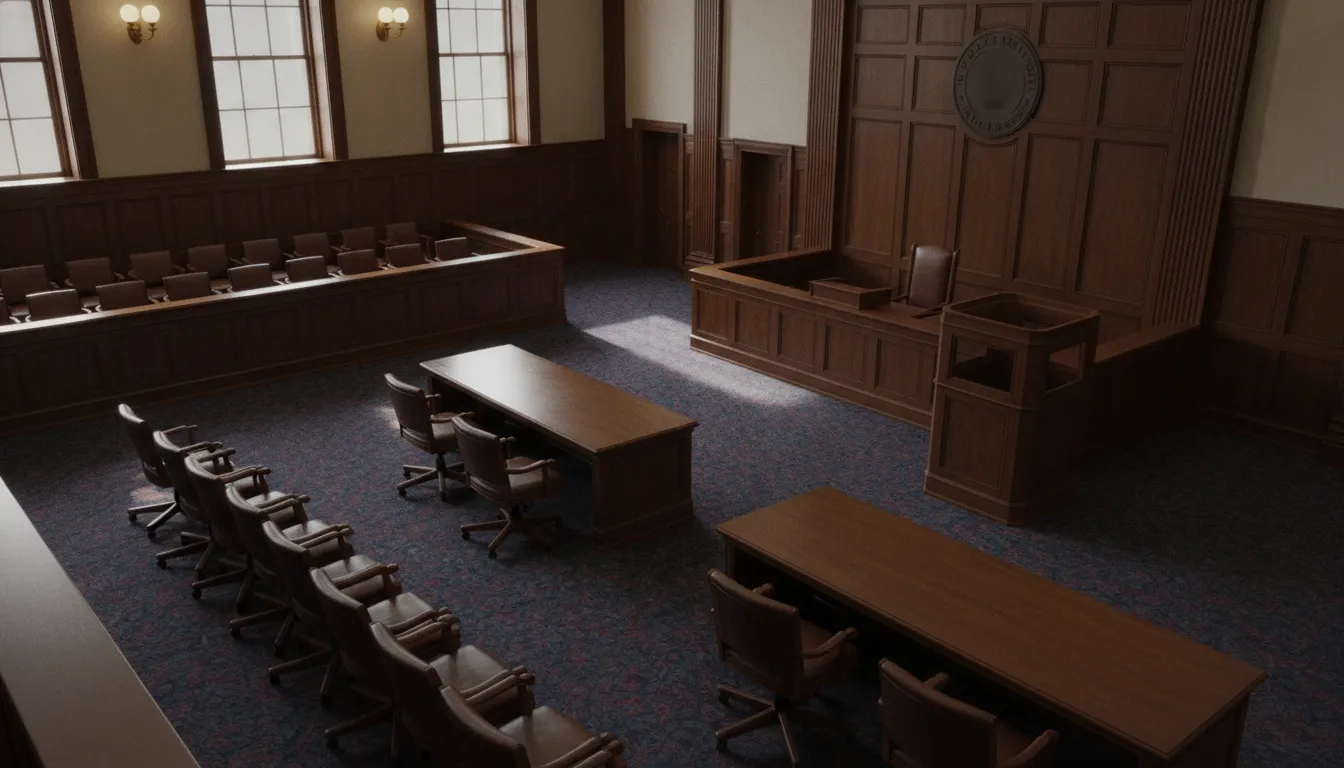
Good preparation also means making sure the client understands the order of proceedings, what decisions remain open, and which issues may change as testimony develops. The Florida Rules of Criminal Procedure provide the framework, while case-specific legal analysis guides how that framework is applied.
This information is for education only and is not a substitute for legal advice about a specific case.
What Should You Do Before the Next Court Date?
Before the next court date, preserve relevant information, stay in contact with counsel, follow every known court condition, and prepare a focused list of questions. These steps cannot predict what will happen in a case, but they can help you and your lawyer address important issues in an organized way.
- Preserve communications and evidence. Keep messages, emails, call records, photographs, videos, receipts, documents, and other material that may relate to the allegations or events. Do not delete, alter, or forward information casually. Write down your recollection while it is fresh, including dates, locations, names, and potential witnesses. Do not contact an alleged victim or witness about the case unless your lawyer advises you about appropriate communication.
- Keep counsel informed. Tell your lawyer about new contact from law enforcement, the prosecutor, alleged witnesses, or anyone connected to the case. Share changes to your address, phone number, employment, travel plans, or other circumstances that could affect communication or court attendance. A Florida speedy trial deadlines analysis depends on the procedural history and facts of the specific case, so do not assume a general timeline applies.
- Follow court conditions carefully. Review release conditions and comply with requirements involving reporting, travel, contact, testing, curfews, or other restrictions. If a condition is unclear or difficult to follow, raise the issue with counsel promptly rather than guessing. A possible violation can create additional legal problems.
- Prepare questions for the hearing. Ask what type of proceeding is scheduled, whether your presence is required, what decisions may be addressed, and whether you need to bring anything. You can also ask about pending discovery, motions, plea discussions, witnesses, and the next likely procedural step. The county, court, charge, and case circumstances may change the sequence.
- Confirm the date and logistics. Verify the date, time, courtroom or remote appearance instructions, transportation, parking, and arrival time with your lawyer or the appropriate court source. Keep the confirmation available and notify counsel promptly if an emergency could interfere with attendance.
Ready to discuss the next step? Contact Galanter Law for a free consultation or call (305) 576-0244.
Frequently Asked Questions
Is a trial lawyer the same as a criminal lawyer?
Not always. A criminal lawyer may handle investigation, negotiations, motions, or other court work, while a trial lawyer focuses on preparing for and presenting cases in court. Some criminal lawyers also regularly handle trials, so the titles can overlap.
What are the lawyers called in a criminal case?
The government is represented by a prosecutor, such as a state attorney or assistant state attorney in a Florida state case. The person accused is represented by a defense lawyer, who may be privately retained or appointed by the court.
What is a trial lawyer called?
A lawyer who represents a person in court may be called trial counsel or trial attorney. In a criminal matter, criminal defense lawyer or criminal trial lawyer describes the lawyer’s role more specifically.
What happens before a criminal trial in Florida?
Cases may involve an arraignment, discovery, pretrial motions, plea discussions, and other hearings before trial. Florida’s rules separately address these stages, but the sequence depends on the charge, court, county, and facts of the case. See Florida Rules of Criminal Procedure 3.160, 3.170, 3.190, and 3.220: https://www-media.floridabar.org/uploads/2026/09/2026_01-JUL-Criminal-Procedure-Rules-7-13-2026.pdf
Ready to Discuss the Next Step?
A confidential, free initial consultation can help you understand how the next stage of a Florida criminal case may apply to your circumstances. Contact Galanter Law to review your questions and discuss possible next steps, without assuming a particular outcome. Contact Galanter Law to get started.
